




In operation
Malatesta
station
The Malatesta station is located in Piazza Roberto Malatesta, one of the central hubs of the Prenestino-Labicano district.
In operation
The Malatesta station is located in Piazza Roberto Malatesta, one of the central hubs of the Prenestino-Labicano district.
It has a rectangular plan with a length of 119 meters, a width of 33 meters, and a depth of approximately 22 meters, to which a shallower structure in the shape of a T is attached, with a depth of 9 meters, which provides the street exits on the north side. To the east of the station body, there is an additional exit with an excavation depth of 14 meters.
The station extends over 4 underground levels: the underground square level, the atrium level, the turnstile level, and the platform level. In addition to these, there are the roof slab and the foundation slab. The structure was entirely excavated using the top-down method. The completion of the station construction was carried out in an upward direction, involving the installation of the waterproofing layer between the diaphragm wall and the inner lining before the construction of the latter.
Station Entrances
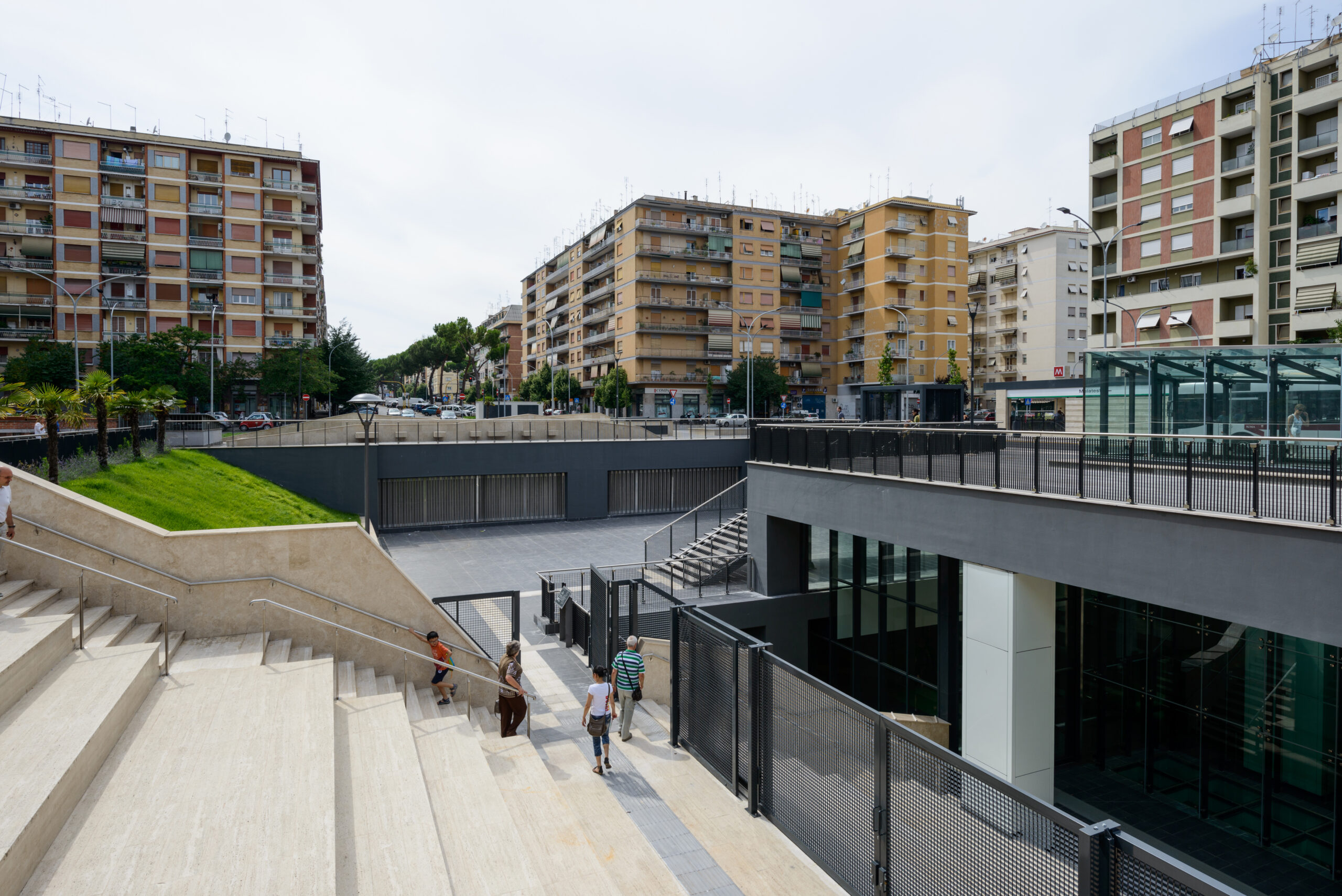
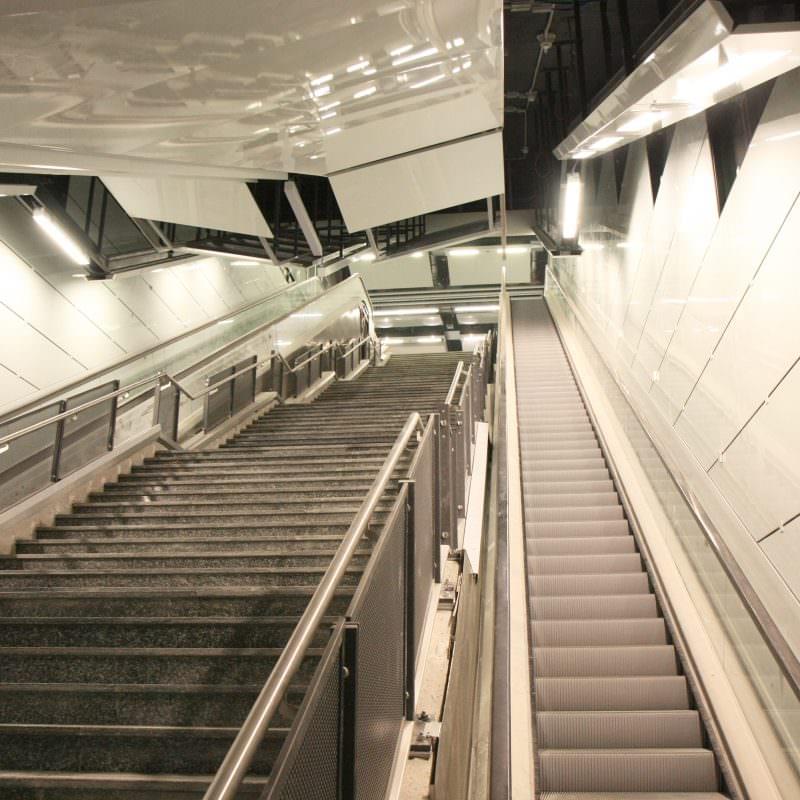
The station has 4 distinct entrances: two entrances on the north side, each equipped with a fixed staircase and two escalators, connecting the street level to the atrium level. A third entrance on the east side of the station directly connects the street level to the turnstile level, also equipped with a fixed staircase and two escalators. The fourth entrance to the station is directly on the underground square level and is accessible from the steps of the square.
The surface arrangement involves creating a large central pedestrian square measuring approximately 90×65 meters. To the north of this area, there are bus terminals and stops for some public transportation services on the surface, directly connected to the station entrances. The new circulation tangential to the square emphasizes Piazza Malatesta’s role as an important gathering point for both the neighborhood and the surrounding areas.
The surface space is strongly characterized by three important architectural features: the stairwell covers, two located to the north in opposite positions, effectively enclosing the perimeter of the large square, and the other to the east on the head of the traffic island on Via R. Malatesta, facing Via Acqua Bullicante. This creates a pedestrian pathway that leads users to the entrance of the subway line. In the center, the street-level square, which is roughly rectangular in shape, opens onto an underground square accessible from the north side of the bus terminal via two parallel staircases perpendicular to the station’s axis. On the opposite side, to the south, there is a wide staircase flanked by a more comfortable set of stairs, providing a less hurried approach to the square below and simultaneously creating a large resting area.
End Benefits and Sustainability
The Malatesta station is designed as an important gathering space for the community, as well as a central hub for the neighborhood, facilitating the transition between public bus services and rail services. The underground square, designed to accommodate commercial activities in addition to those already existing on the perimeter of the square, serves as a passage and resting space for citizens.
Architecture
The design of the Malatesta station was entrusted to the engineering and architecture firm Erregi S.r.l..
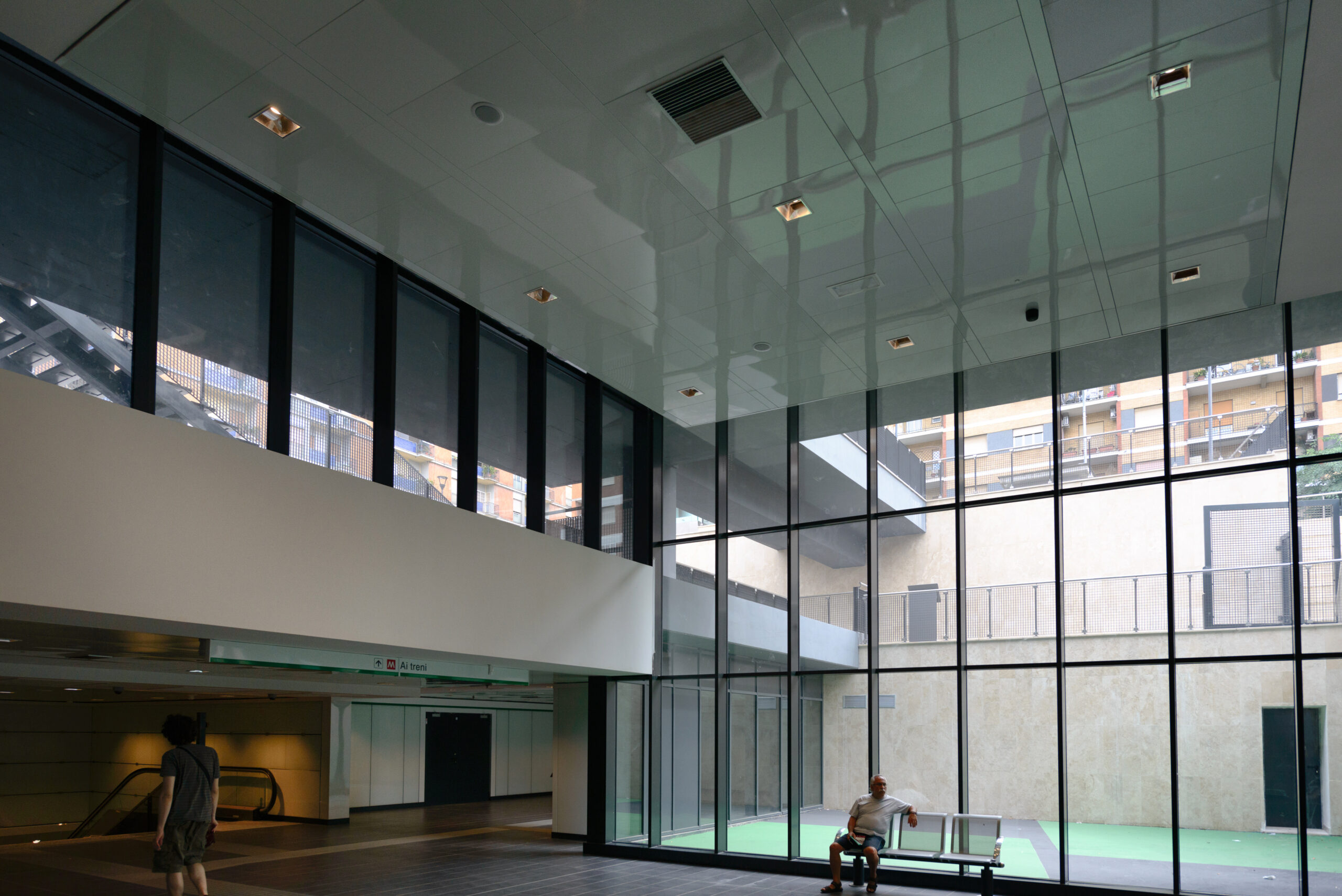
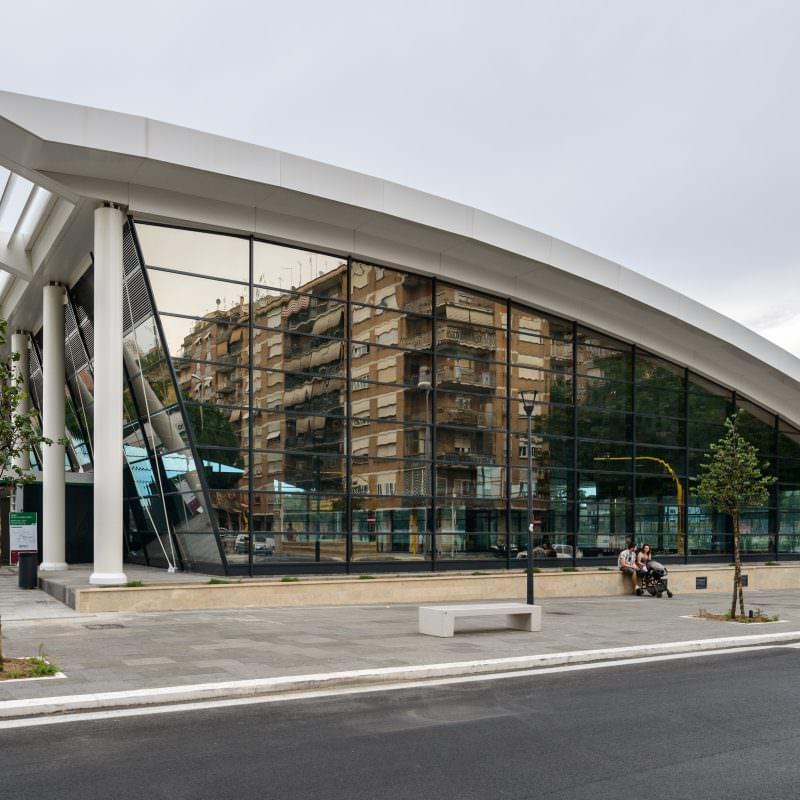
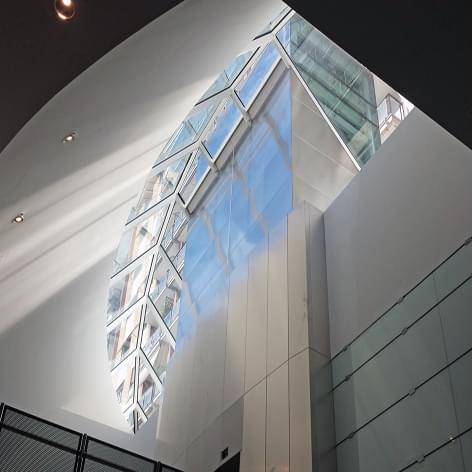
The focal point of the Malatesta station is the underground square, a space for gathering and passage, connecting the street level with the intermediate station atrium. The expansive continuous steel and glass façade that separates the open space from the covered station area serves as a source of natural light for the atrium and provides visual continuity between the two spaces.
The external canopies enclosing the staircases are a common element in some of the Line C stations. They are constructed with a parallelepiped concrete structure open on three sides at the upper landing level and are covered with beveled travertine slabs laid in a continuous pattern. The roof is finished with a metal sheet having parallel ridges running along the long side of the canopy.
Finishes and Compensation Bands
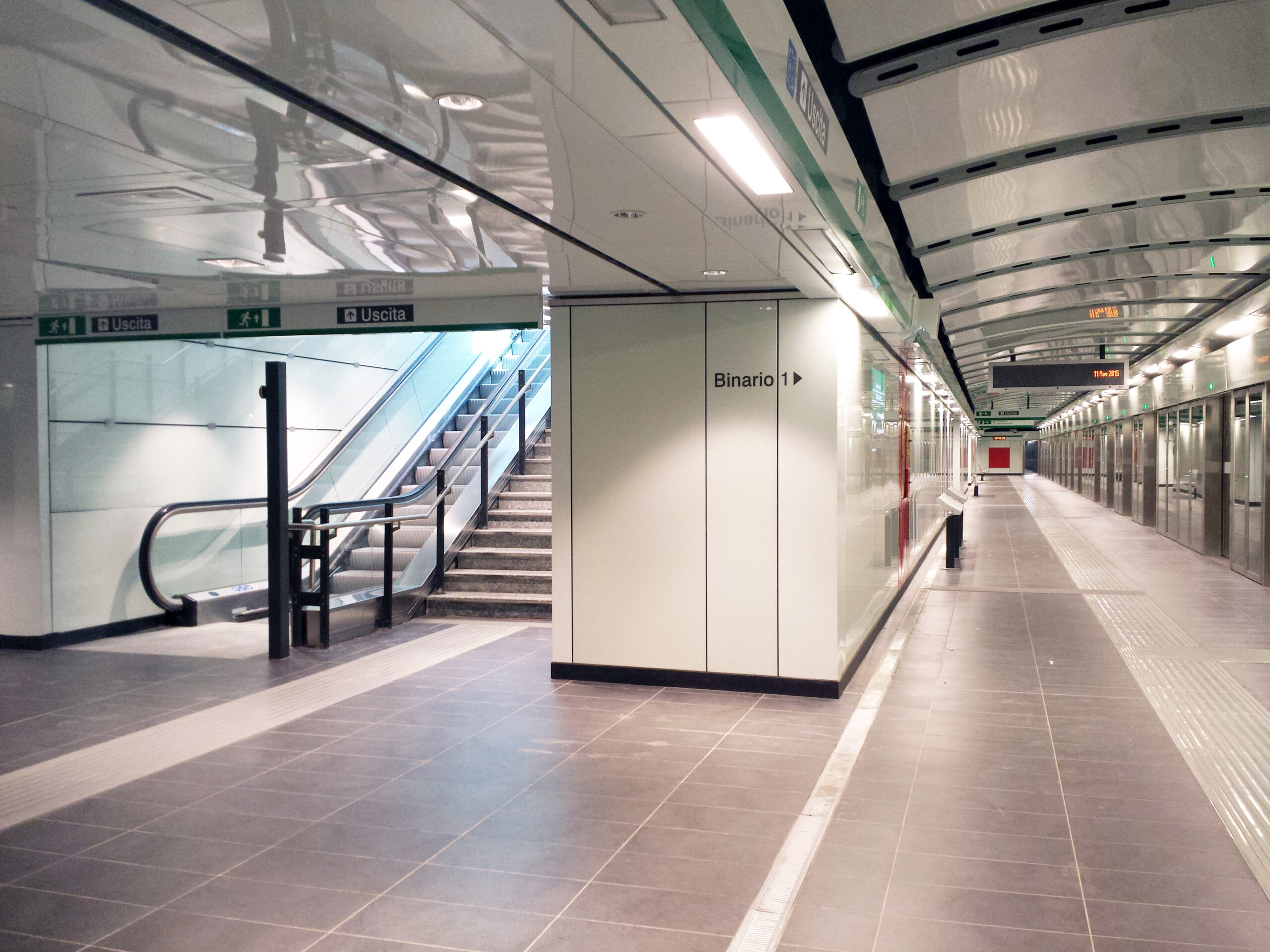
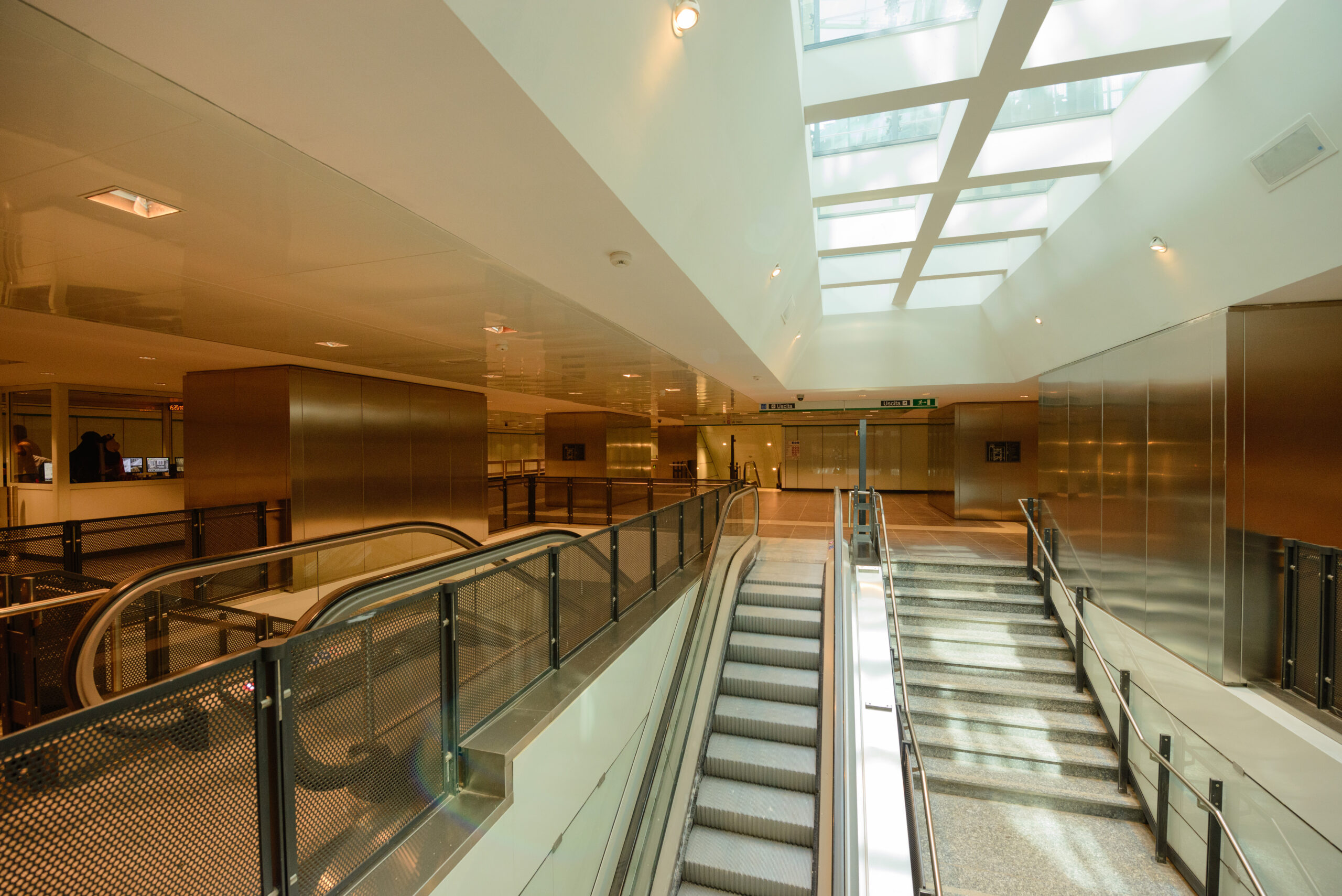
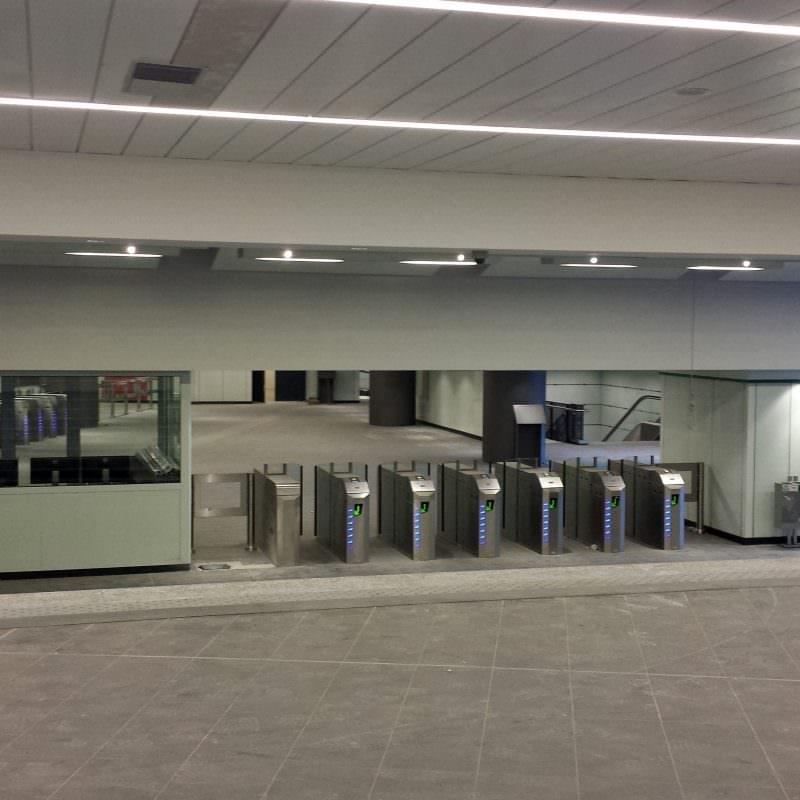
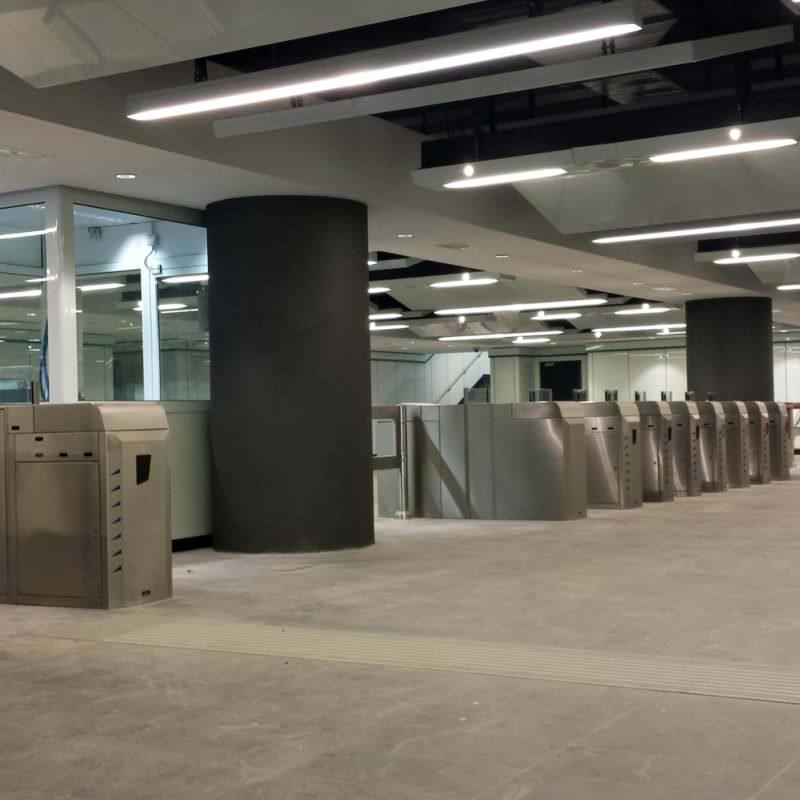
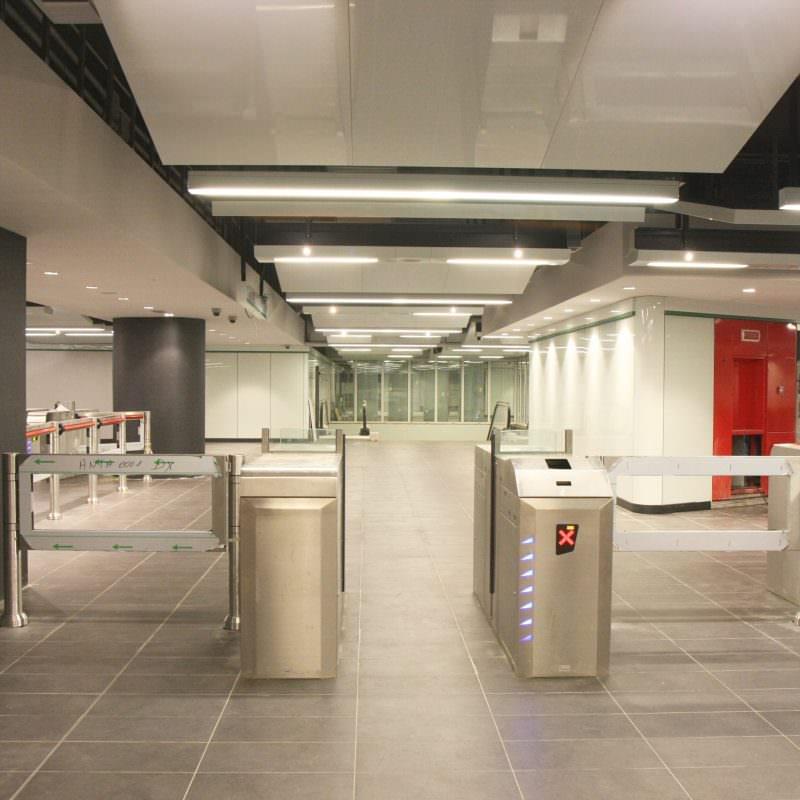
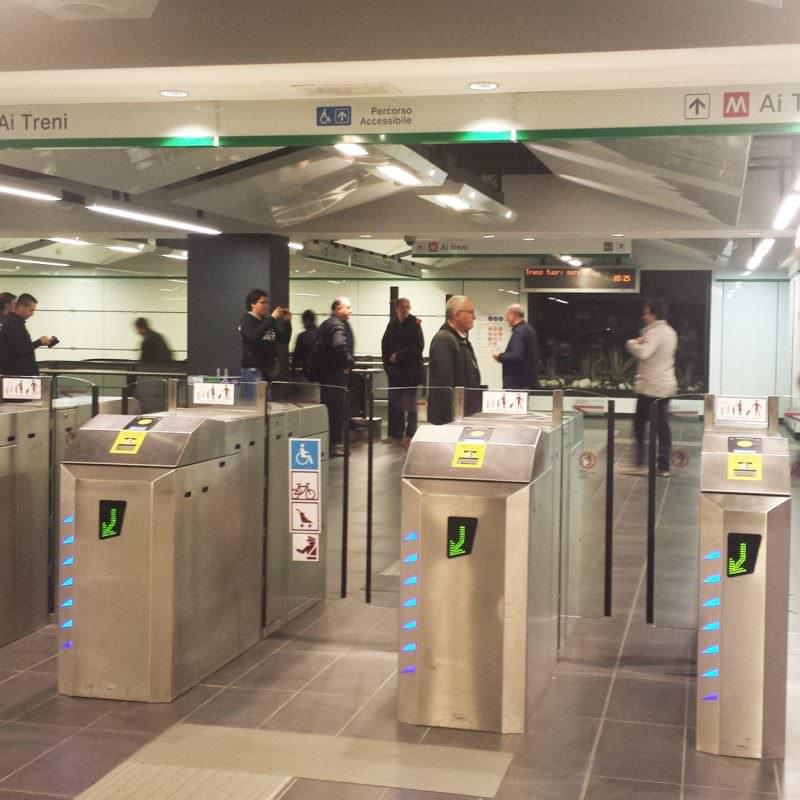
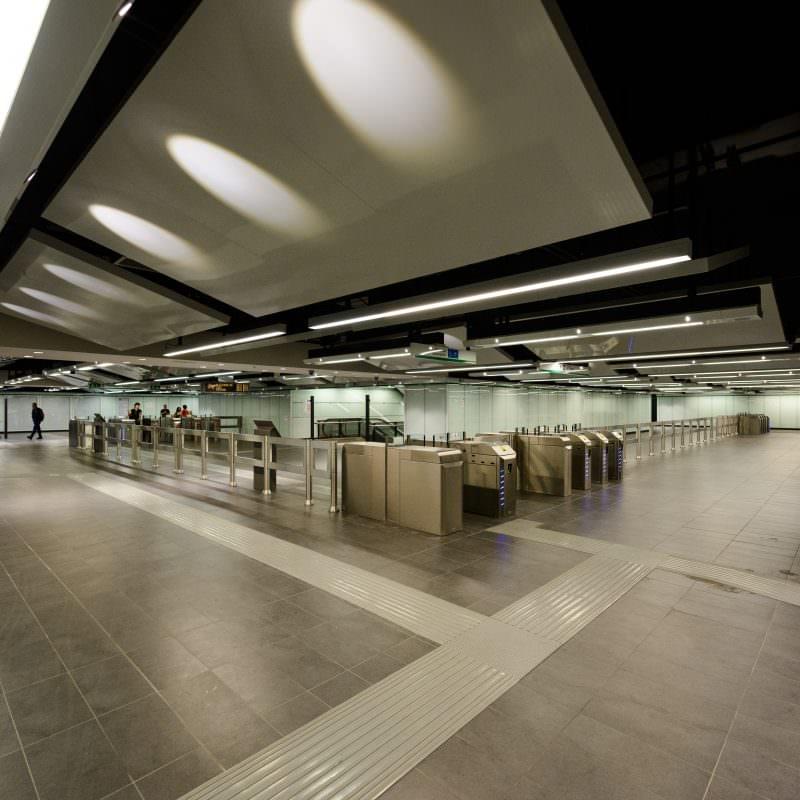
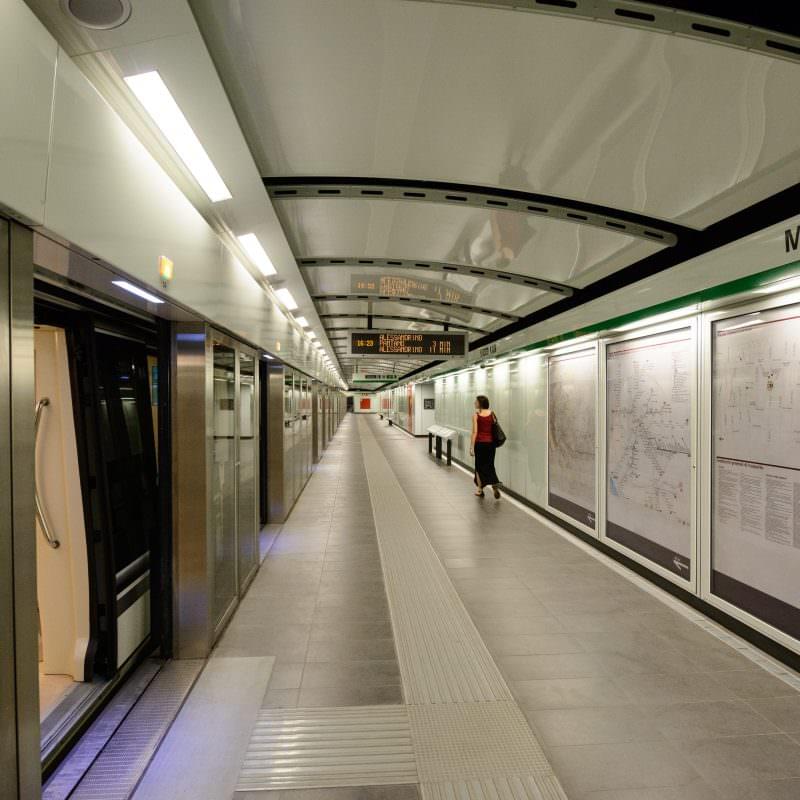
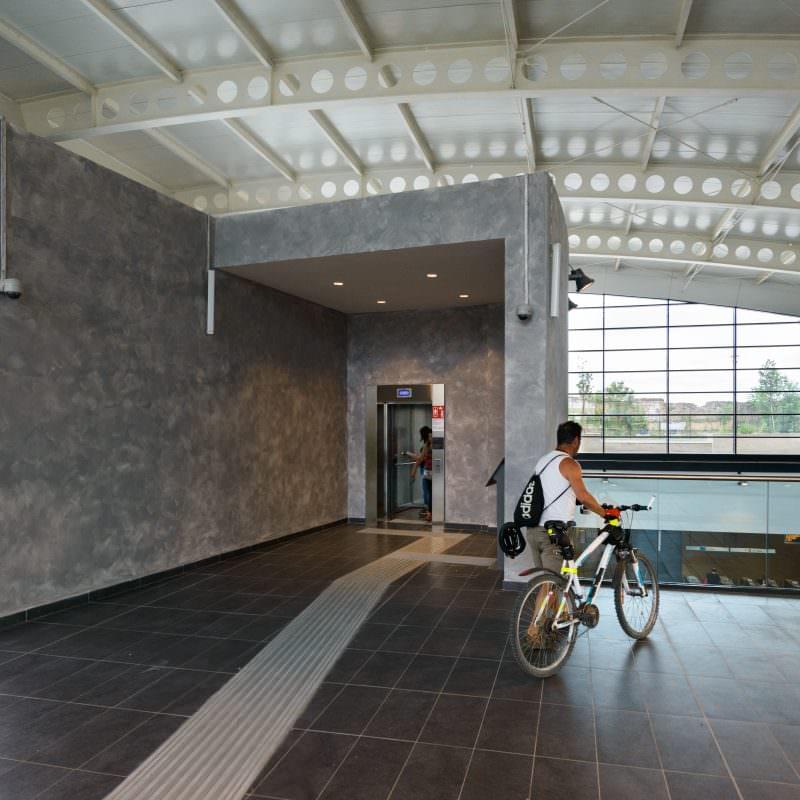
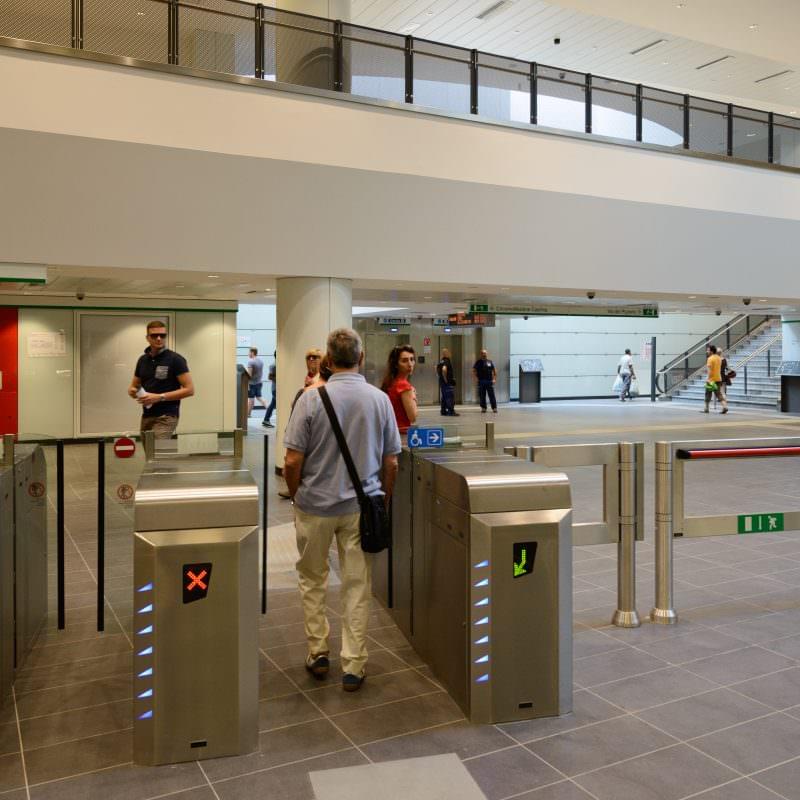
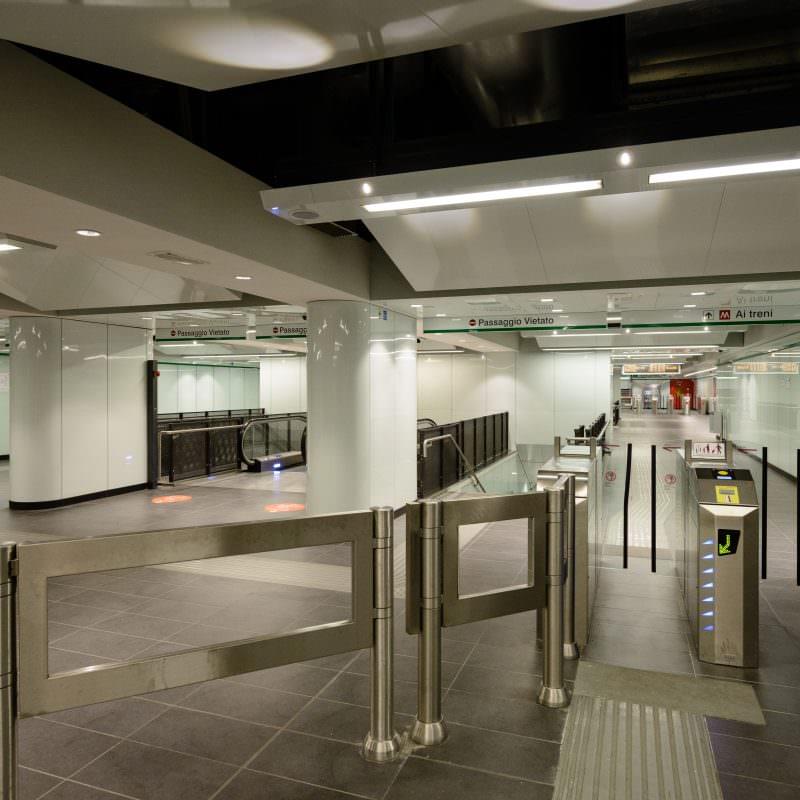
The finishes of the station follow the standards of Line C Metro stations. The floors are made of anthracite-colored porcelain stoneware, and the wall claddings are in white Metro C glass topped with a signage band. The ceiling in the atrium and turnstile areas is made of pre-painted aluminum sheet in a Scottish pattern integrated with recessed lighting fixtures and other system components.
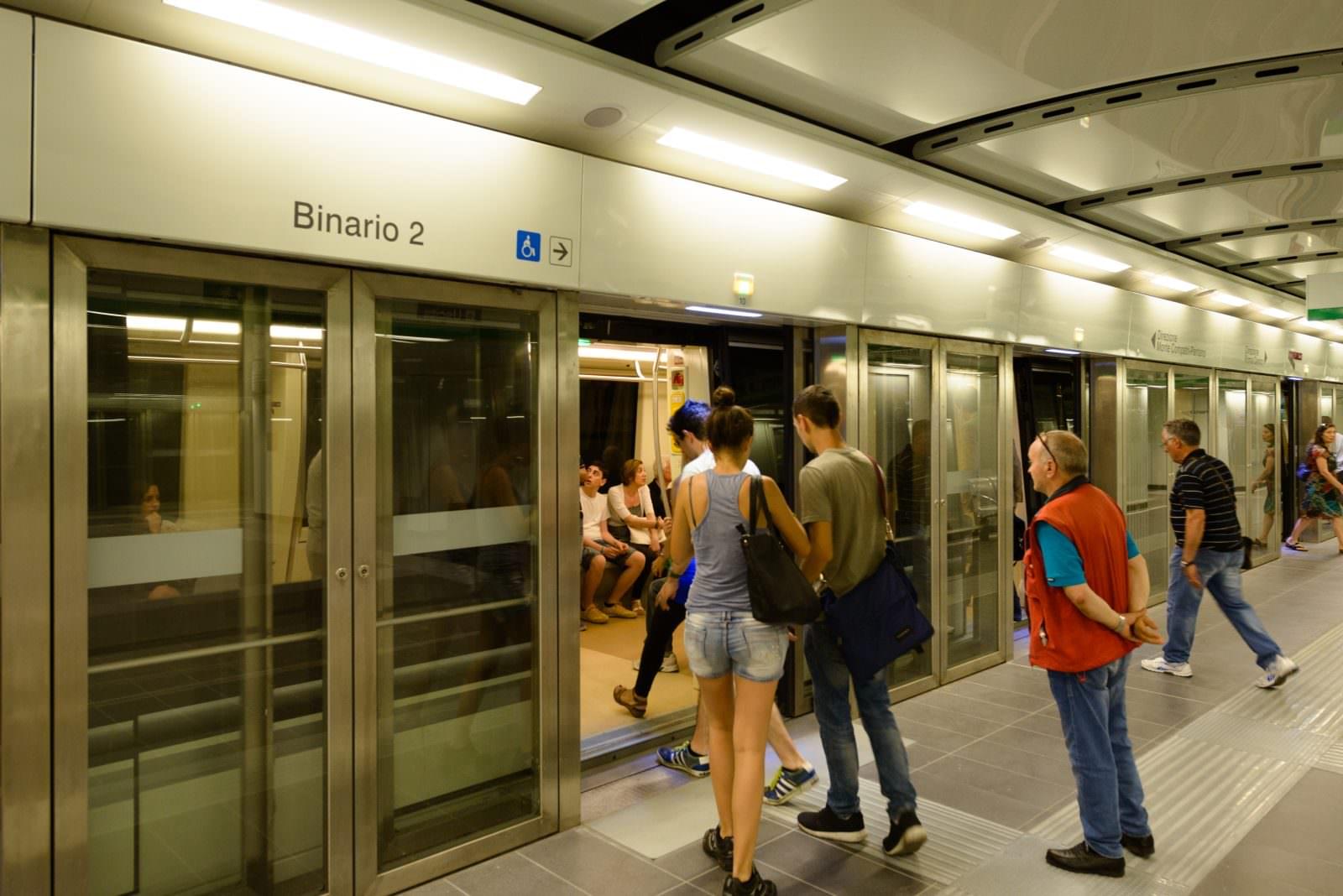
The compensation bands are made of plasterboard. The high atrium ceiling is made of plasterboard and aluminum slats creating symmetries and patterns that echo the shape of the station. The lower atrium ceiling is partly made of plasterboard and aluminum slats, and in the paid area, it features a diffuser ceiling consisting of pre-painted white Metro C aluminum panels with adjacent rectangular modules. The platform ceilings, on the other hand, are made with curved profiled elements in pre-painted white aluminum sheet. The signage band at the platform level is integrated with lighting fixtures and cameras.

The Line C under construction includes 5 stations: Venezia, Chiesa Nuova, Piazza Pia/Castel Sant’Angelo, Ottaviano, and Mazzini. The stations will reach the heart of Rome and will allow visitors to explore the artifacts discovered during the excavations by the museum displays planned at the Venezia, Chiesa Nuova, and Piazza Pia/Castel Sant’Angelo stations. The Ottaviano station will become an additional hub between Line C and Line A of the Rome Metro, already in operation, expanding the network effect of the capital’s mobility.
Line C, currently in operation, connects the southeastern suburbs to the center of Rome at the Colosseo/Fori Imperiali station, an interchange hub with Line B, following the first interconnection with Line A at San Giovanni. The line C currently in operation consists of 24 stations along a 21 km route.
FUTURE DEVELOPMENTS
The extension of Line C between Farnesina and Mazzini is scheduled to begin in July 2026, once the assessment is completed and the final design is approved. The project includes the construction of two new stations, Auditorium and Farnesina. The former is located near the Auditorium Parco della Musica and the Palazzetto dello Sport, while the latter serves the Foro Italico area, the Olympic Stadium, and the Ministry of Foreign Affairs, improving accessibility to the northern part of the city.
Monte Compatri/Pantano
24 Stations completed
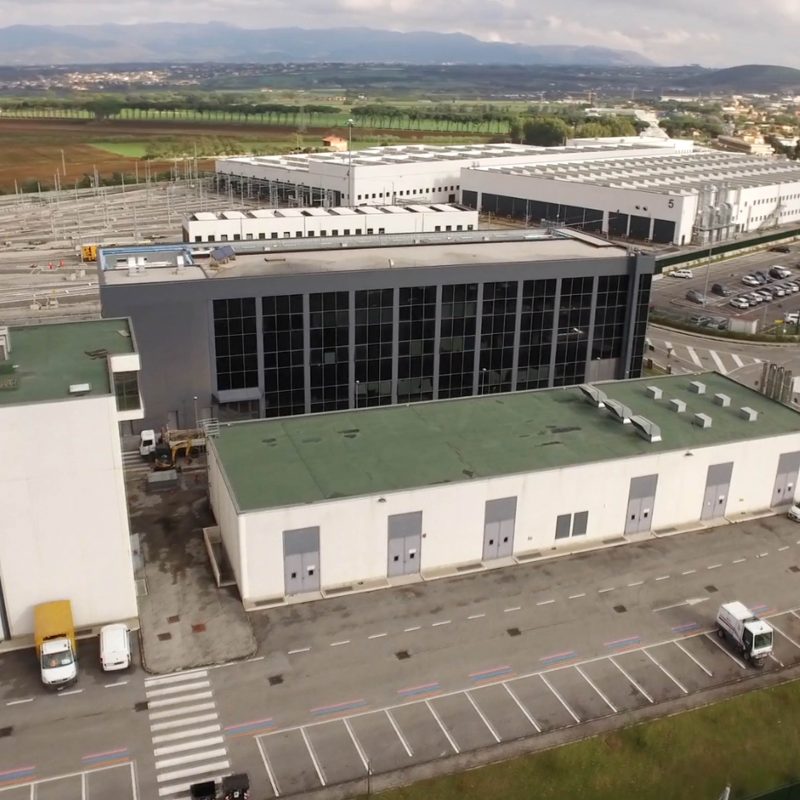
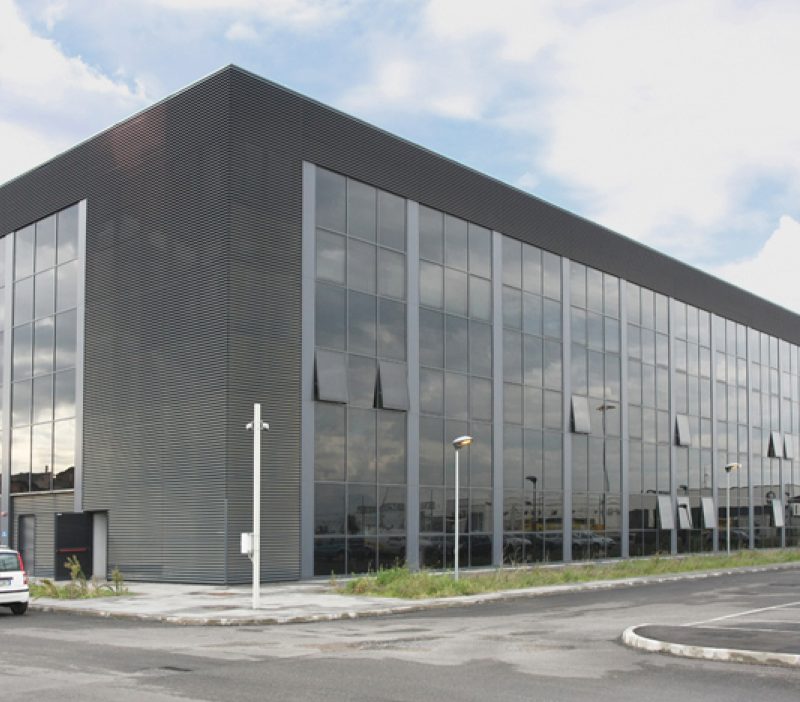
The Monte Compatri/Pantano Station, the eastern terminus of the line, represents a significant rubber-steel interchange hub, thanks to two large parking areas, one of which is a multi-level parking and the other is at ground level, allowing for the parking of private vehicles.
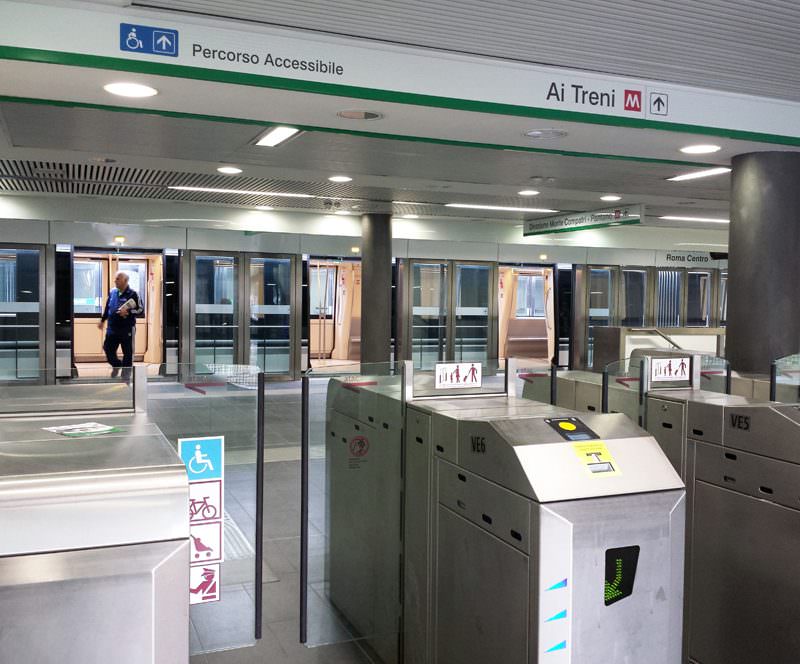
Graniti
24 Stations completed
The 10 pre-existing stations of the Termini-Pantano railway have been modernized according to the technological and architectural standards of the new Line, adapting their functional and plant characteristics. The Graniti Station has been open to the public since November 9, 2014.
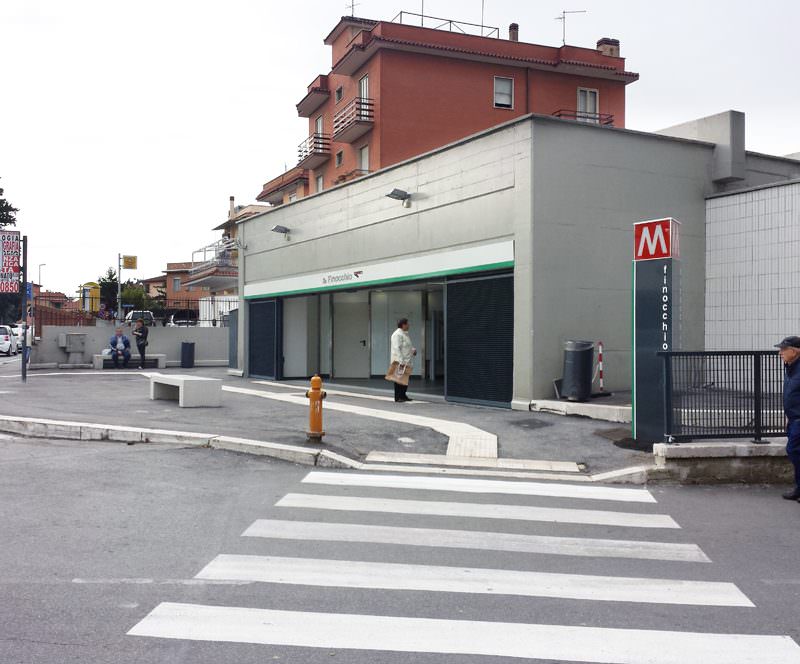
Finocchio
24 Stations completed
"The 10 pre-existing stations of the Termini-Pantano railway have been modernized according to the technological and architectural standards of the new Line, adapting their functional and plant characteristics. The Finocchio Station has been open to the public since November 9, 2014.
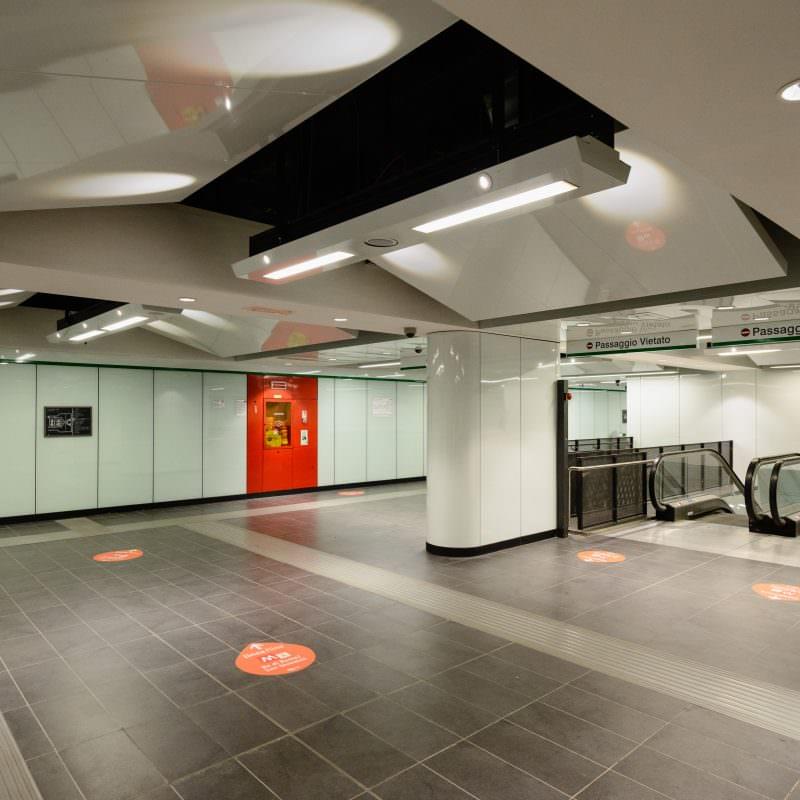
Bolognetta
24 Stations completed
The 10 pre-existing stations of the Termini-Pantano railway have been modernized according to the technological and architectural standards of the new Line, adapting their functional and plant characteristics. The Bolognetta Station has been open to the public since November 9, 2014.
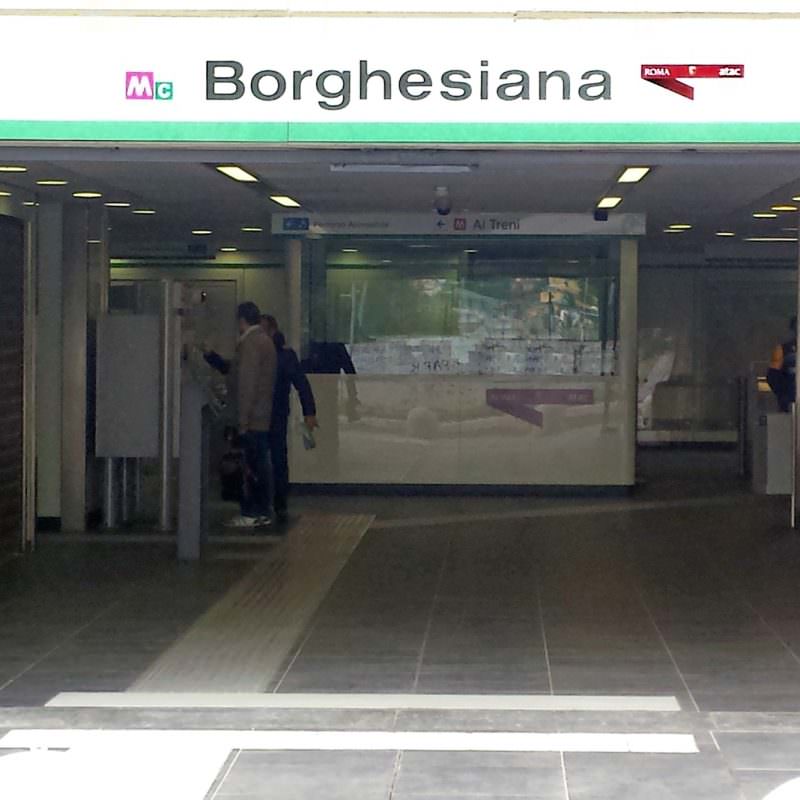
Borghesiana
24 Stations completed
The 10 pre-existing stations of the Termini-Pantano railway have been modernized according to the technological and architectural standards of the new Line, adapting their functional and plant characteristics. The Borghesiana Station has been open to the public since November 9, 2014.
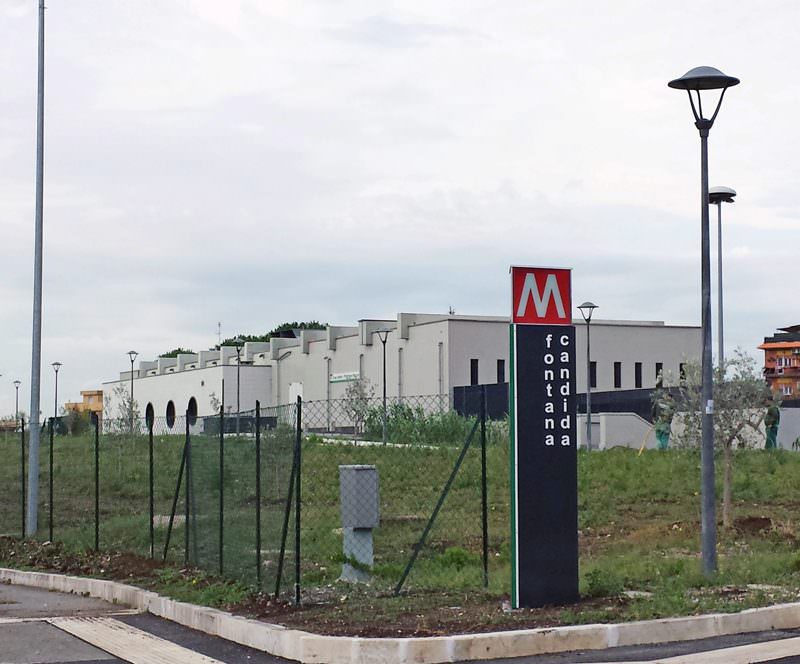
Due Leoni/Fontana Candida
24 Stations completed
The 10 pre-existing stations of the Termini-Pantano railway have been modernized according to the technological and architectural standards of the new Line, adapting their functional and plant characteristics. The Due Leoni/Fontana Candida Station has been open to the public since November 9, 2014.
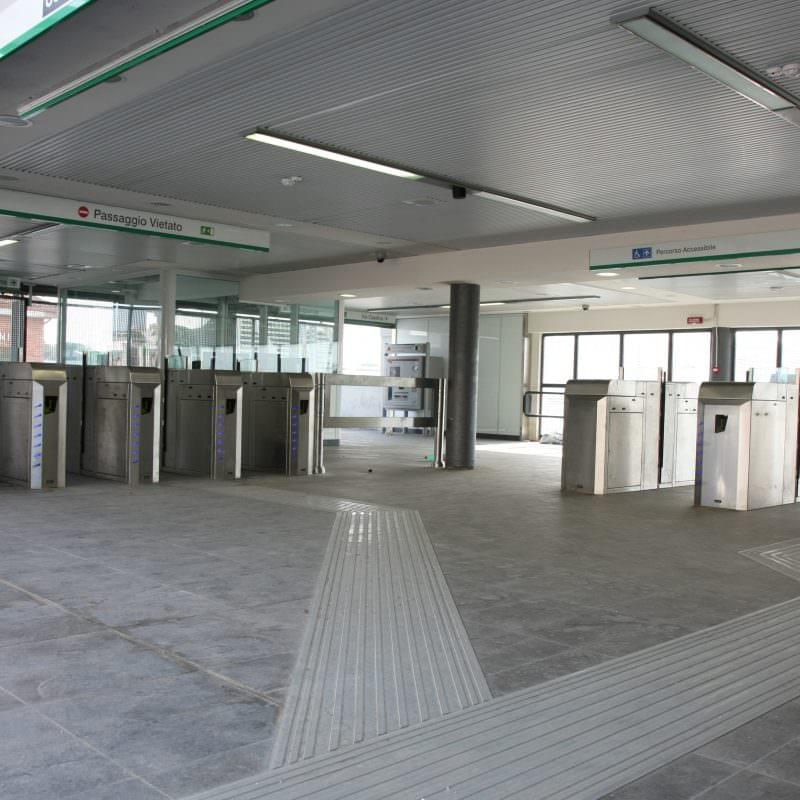
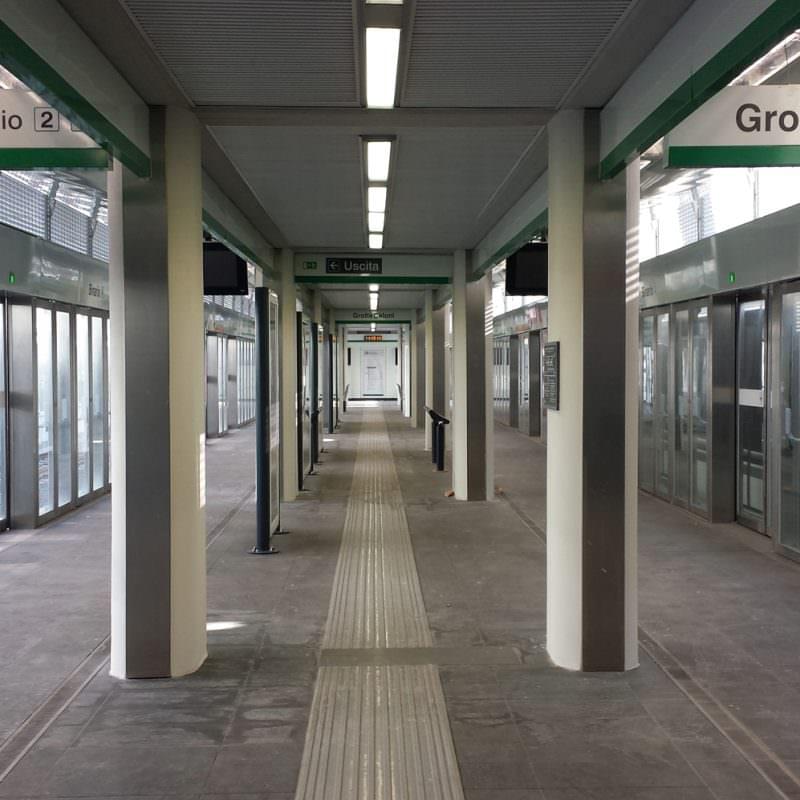
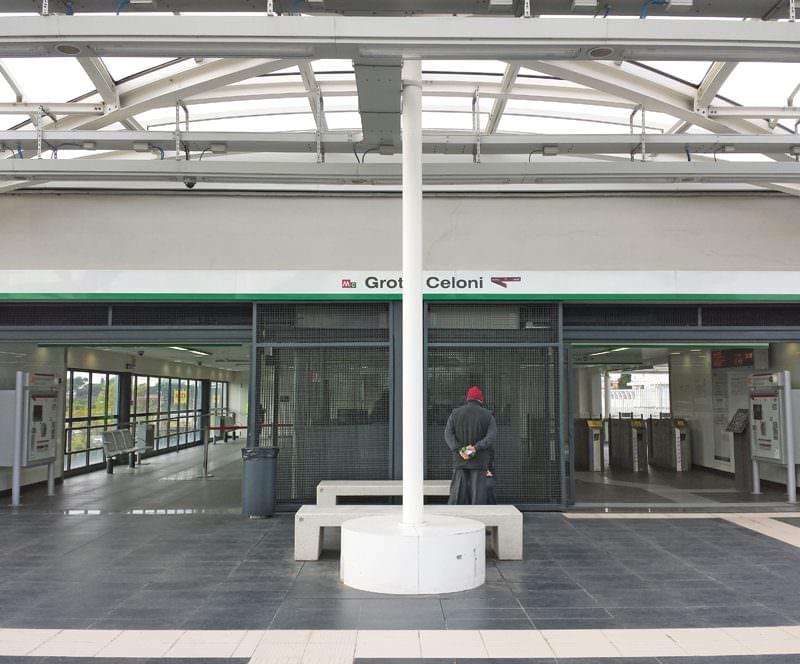
Grotte Celoni
24 Stations completed
The 10 pre-existing stations of the Termini-Pantano railway have been modernized according to the technological and architectural standards of the new Line, adapting their functional and plant characteristics. The Grotte Celoni Station has been open to the public since November 9, 2014.
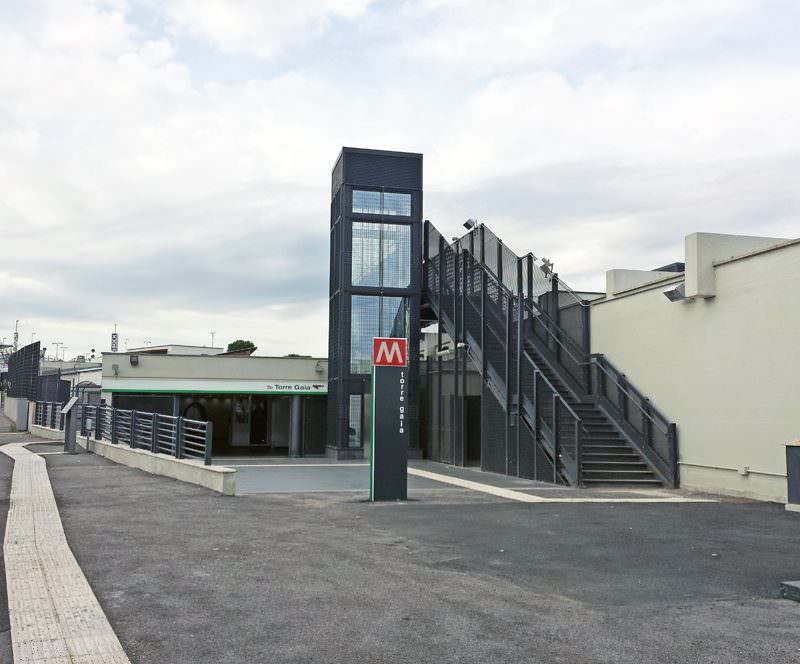
Torre Gaia
24 Stations completed
The 10 pre-existing stations of the Termini-Pantano railway have been modernized according to the technological and architectural standards of the new Line, adapting their functional and plant characteristics. The Torre Gaia Station has been open to the public since November 9, 2014.
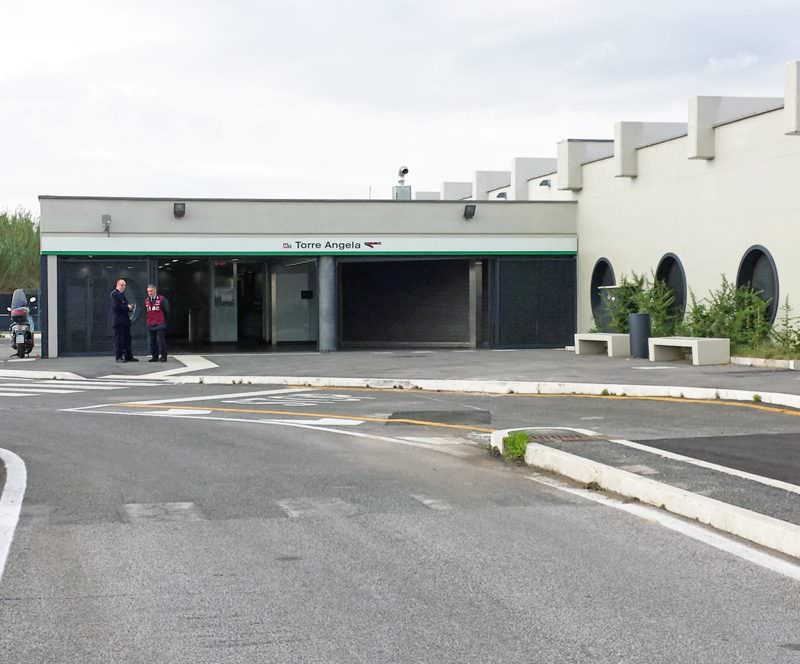
Torre Angela
24 Stations completed
The 10 pre-existing stations of the Termini-Pantano railway have been modernized according to the technological and architectural standards of the new Line, adapting their functional and plant characteristics. The Torre Angela Station has been open to the public since November 9, 2014.
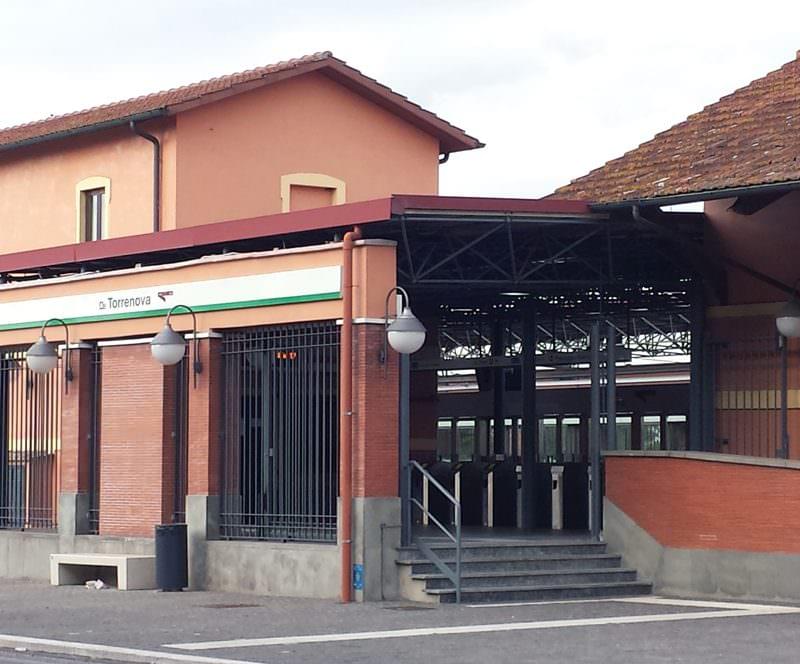
Torrenova
24 Stations completed
The 10 pre-existing stations of the Termini-Pantano railway have been modernized according to the technological and architectural standards of the new Line, adapting their functional and plant characteristics. The Torrenova Station has been open to the public since November 9, 2014.
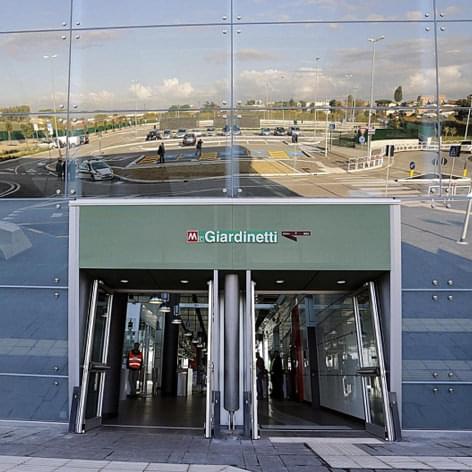
Giardinetti
24 Stations completed
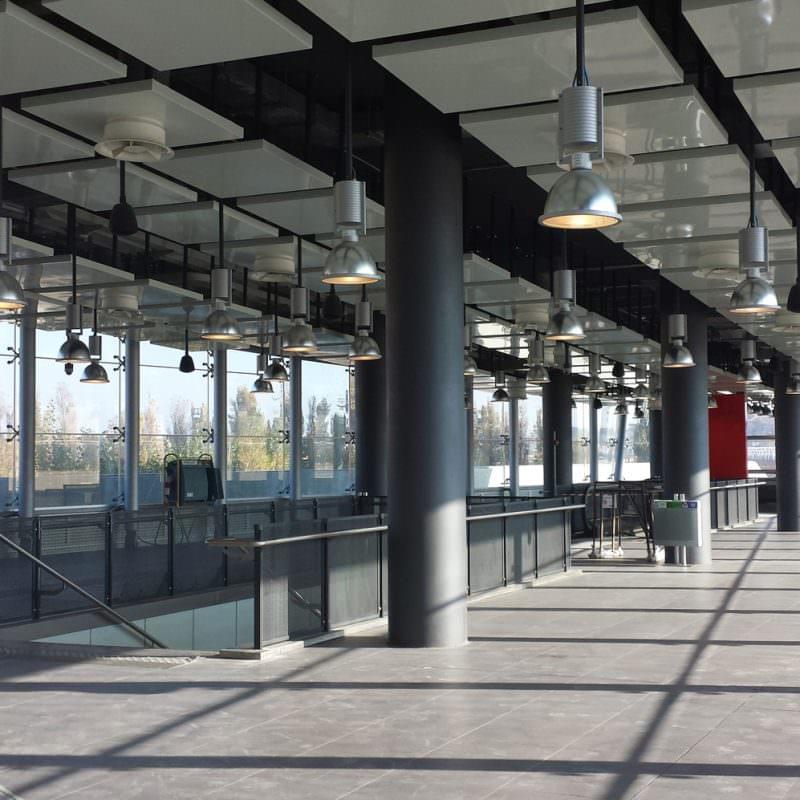
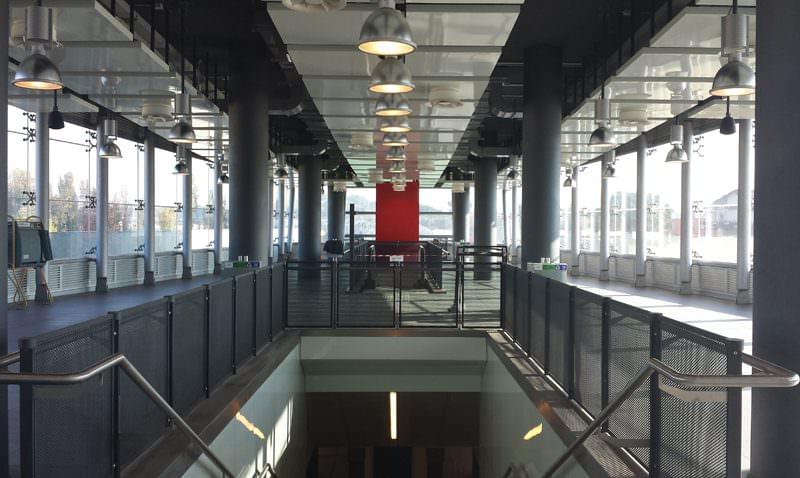
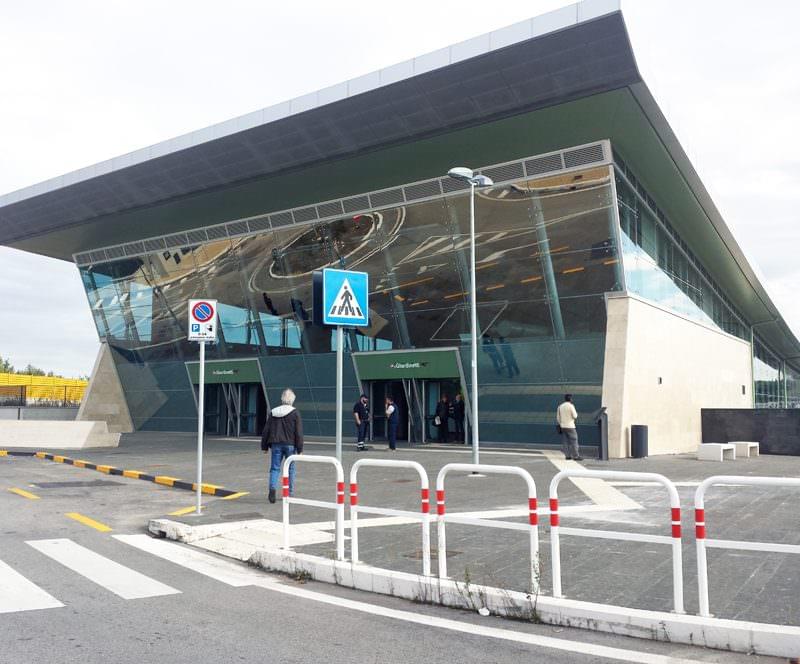
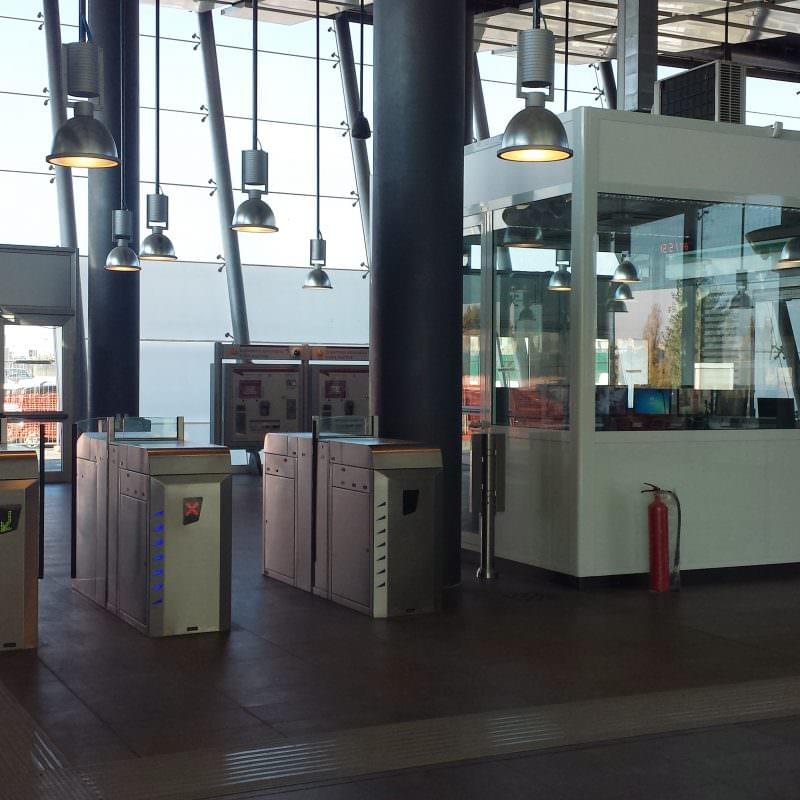
The Giardinetti Station, the only completely new surface station, is the point where the underground line meets the surface line. It is characterized by a trapezoidal shape with large windows and is equipped with a parking lot with over 200 car spaces. The station's atrium, at street level, is accessible from Via Casilina. The Giardinetti Station has been open to the public since November 9, 2014.
Torre Maura
24 Stations completed
The Torre Maura Station is located at the confluence of Via Giglioli and Via Tobagi. It is accessible through three entrances, two along Via Casilina and one on Via Giglioli. The Torre Maura Station has been open to the public since November 9, 2014.
Torre Spaccata
24 Stations completed
The Torre Spaccata Station is located between Via Tor Tre Teste and Via di Torre Spaccata, accessible from both sides of Via Casilina. The Torre Spaccata Station has been open to the public since November 9, 2014.
Alessandrino
24 Stations completed
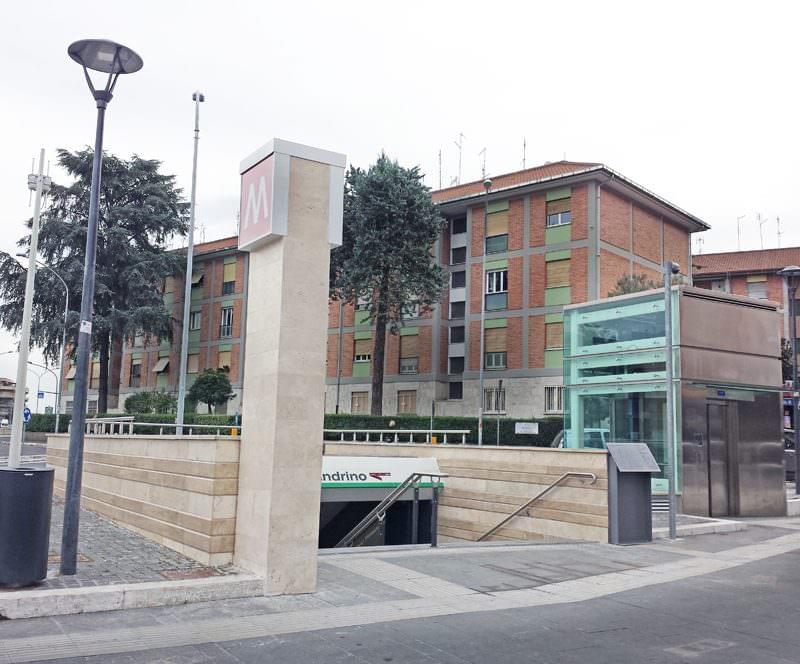
The Alessandrino Station is built under Via Casilina, between Piazza Sor Capanna and Viale Alessandrino, and is accessible from both the square and Via Casilina. The Alessandrino Station has been open to the public since November 9, 2014.
Parco di Centocelle
24 Stations completed
The Centocelle Park Station, located between Via Casilina and Via Palmiro Togliatti, one of the major arterial roads of the Capital, is situated opposite the large Centocelle Urban Archaeological Park. The Centocelle Park Station has been open to the public since November 9, 2014.
Mirti
24 Stations completed
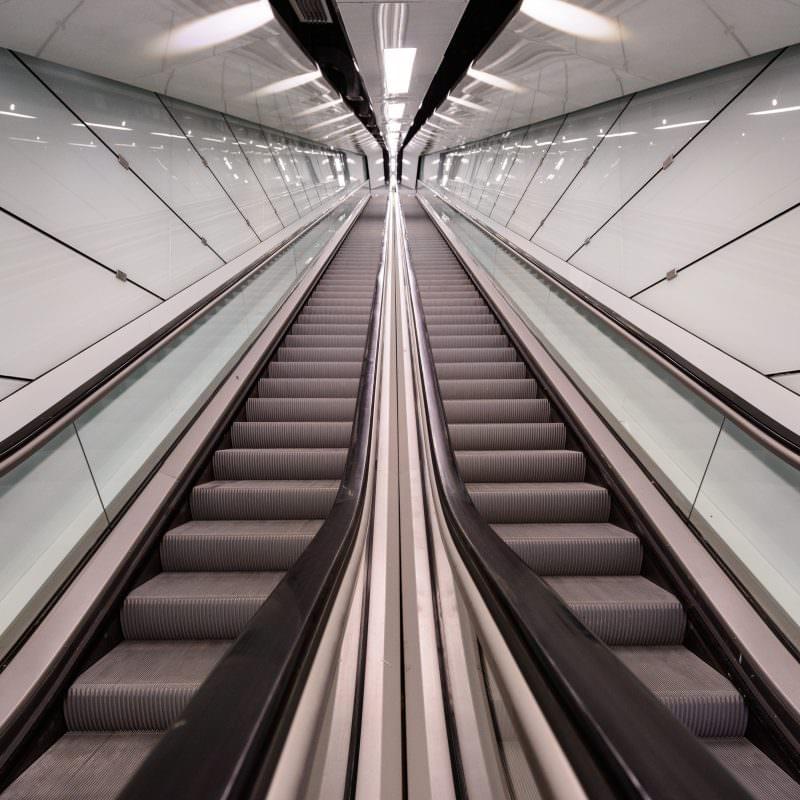
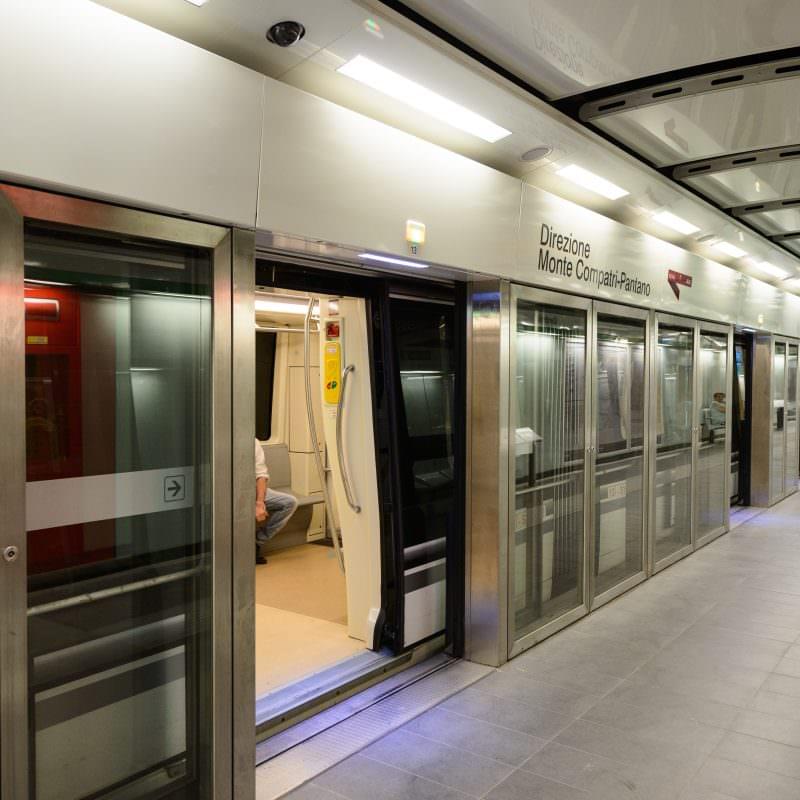
The Mirti Station is built beneath the square of the same name, a symbol of one of the populated and lively neighborhoods of the Capital. The station is accessible through 4 entrances and 2 elevators. The square has been completely redeveloped. The Mirti Station has been open to the public since June 29, 2015.
Gardenie
24 Stations completed
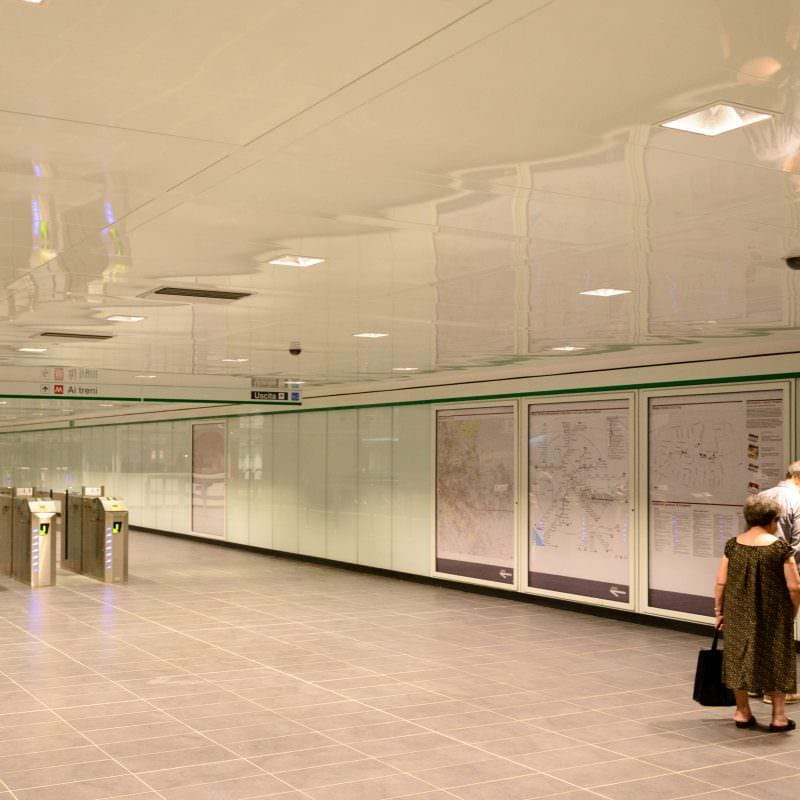
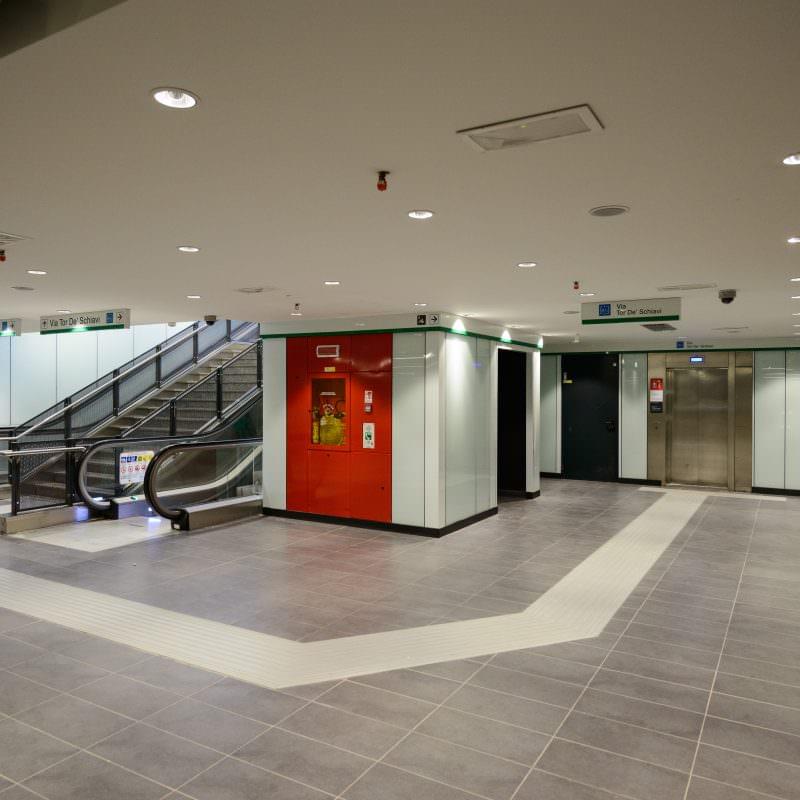
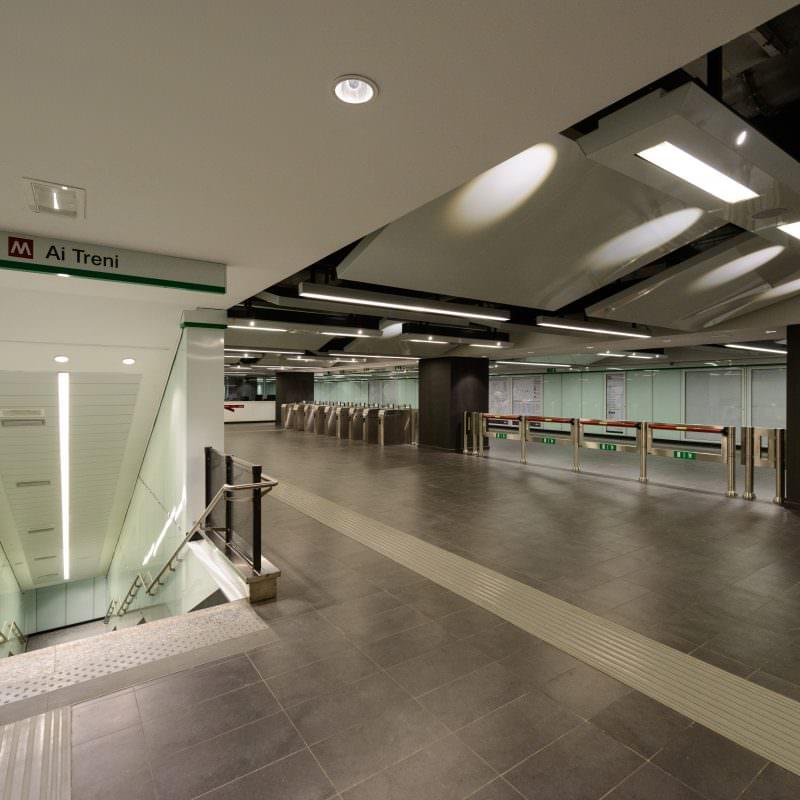
The Gardenie Station, located beneath the square of the same name, has three entrances, one across Viale della Primavera, connected by an underpass, and two on the north side of the square, which has been completely redeveloped. The Gardenie Station has been open to the public since June 29, 2015.
Teano
24 Stations completed
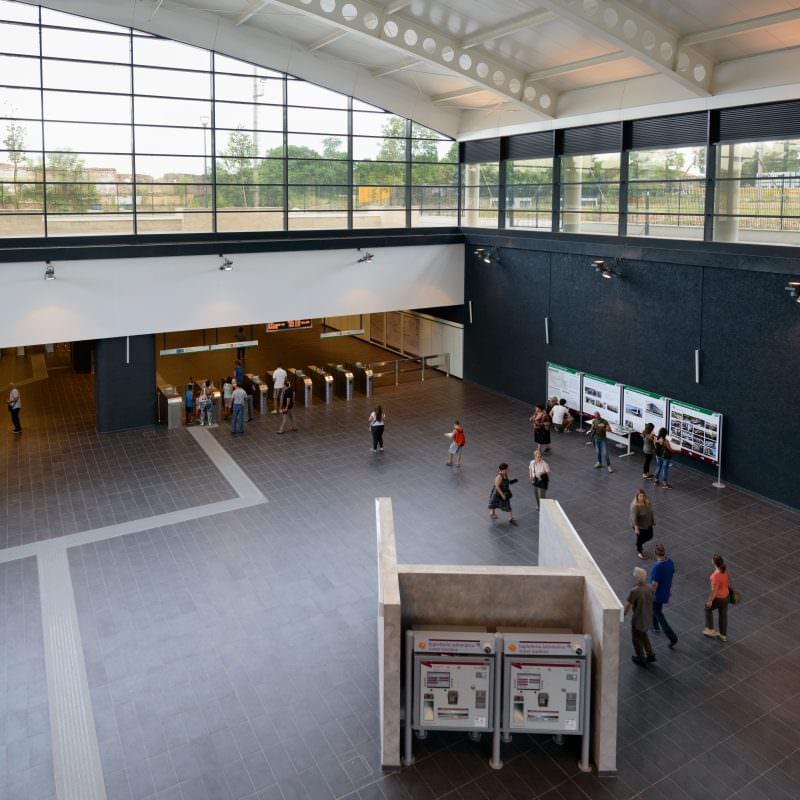
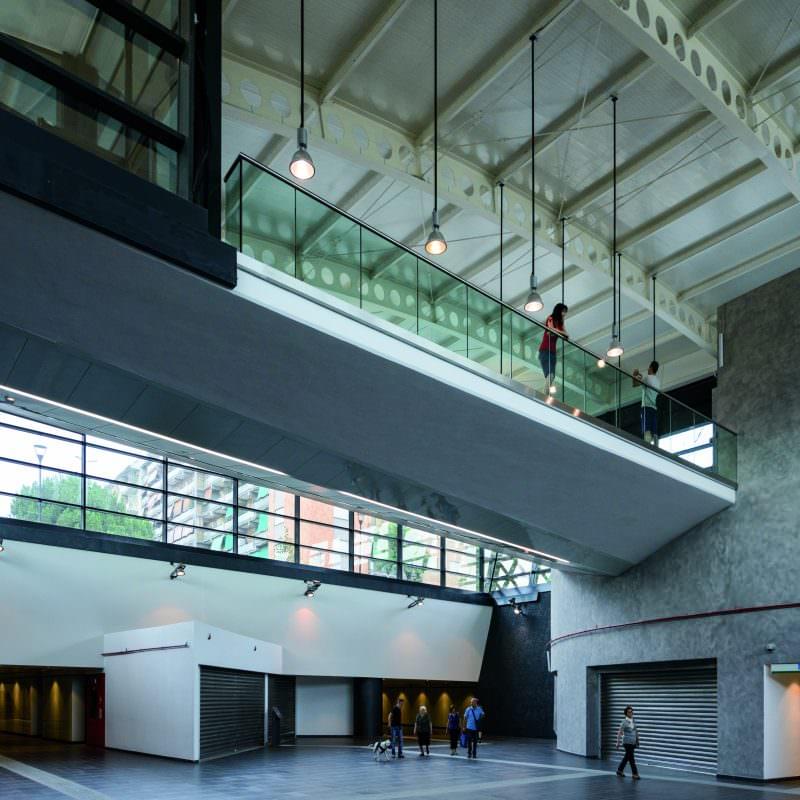
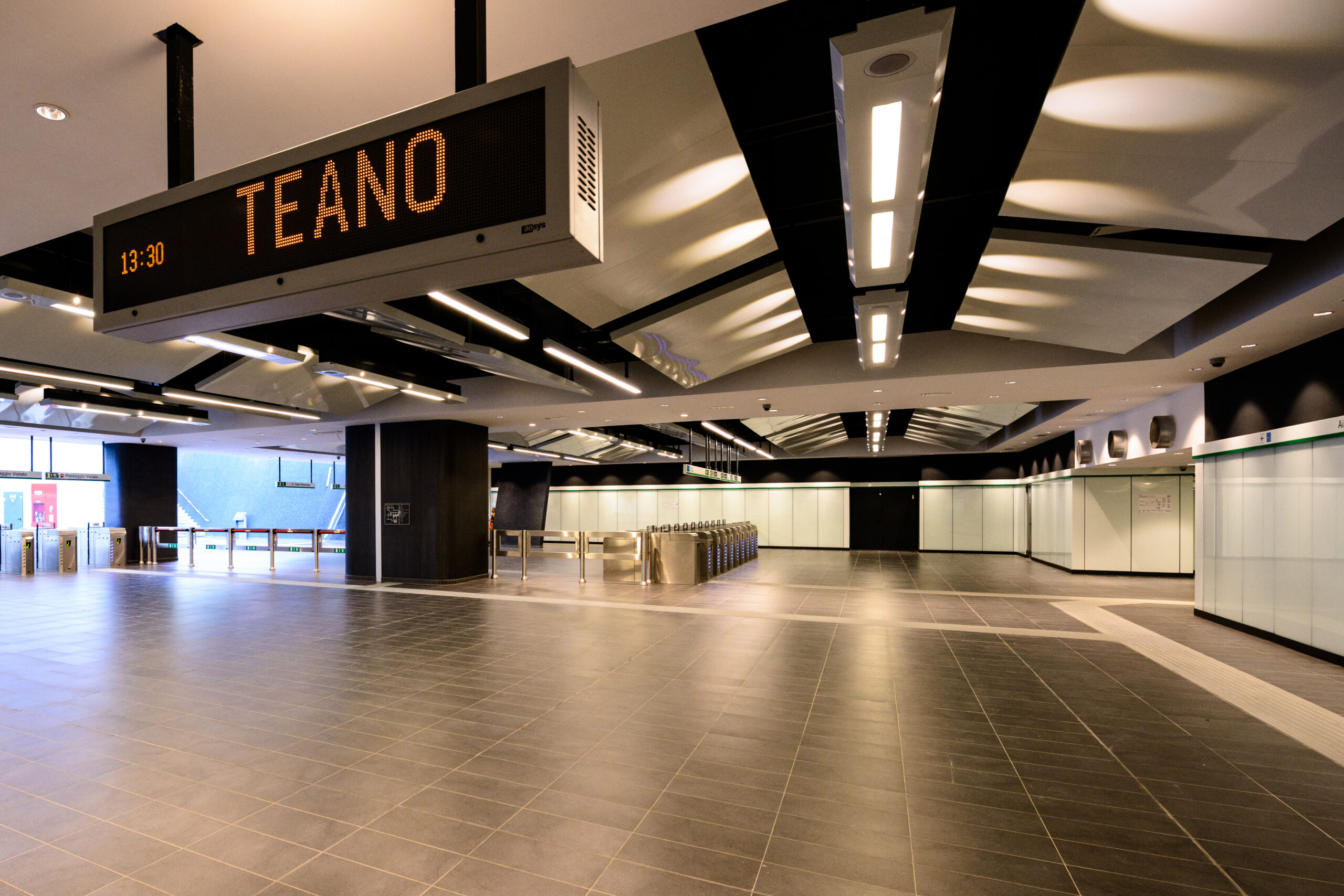
The Teano Station, accessible from both Via Teano and Viale Partenope, is characterized by large spaces designated for commercial activities and a spacious atrium that can be used for events, exhibitions, and various initiatives. The Teano Station has been open to the public since June 29, 2015.
Learn more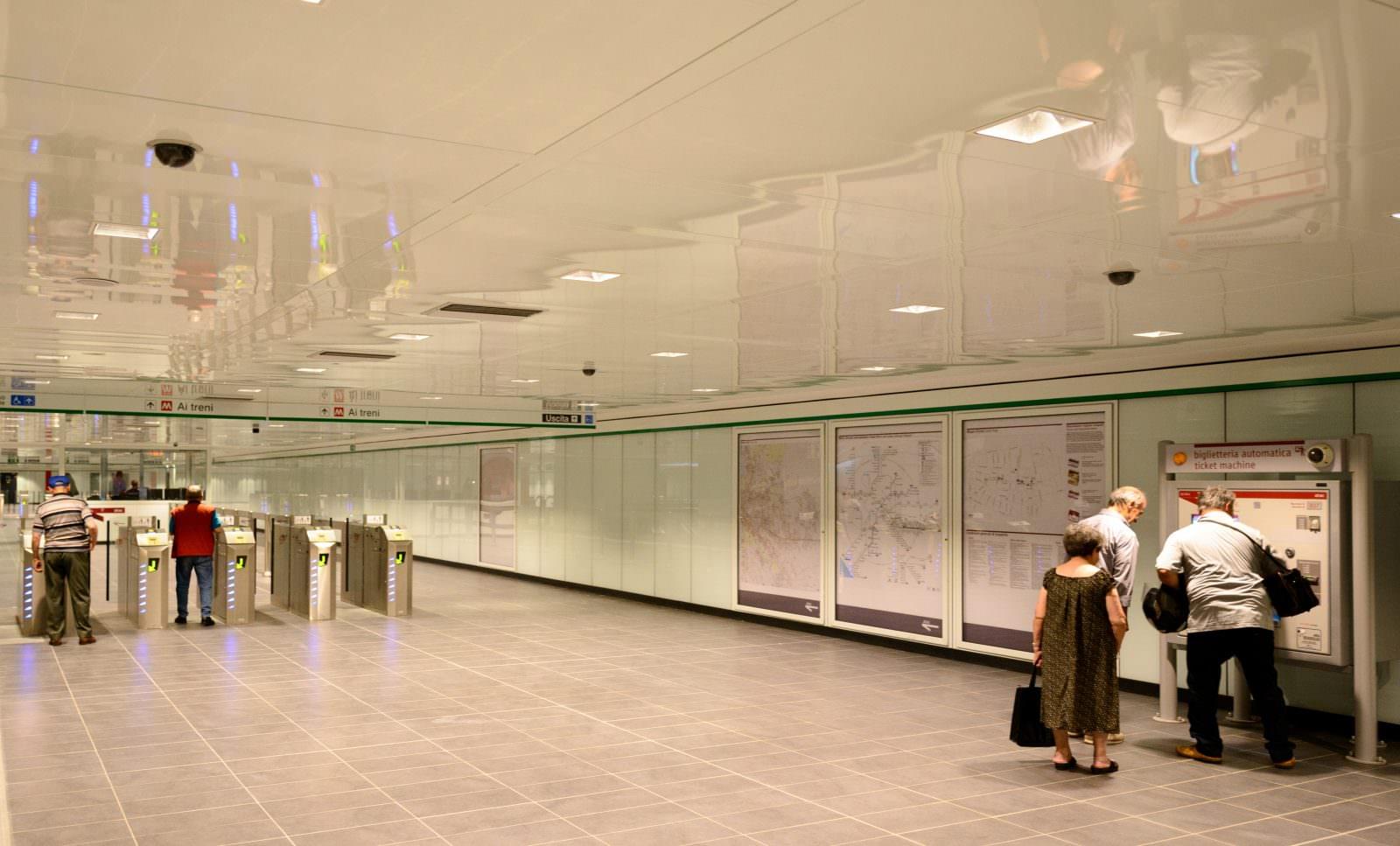
Malatesta
24 Stations completed
The Malatesta Station is built beneath the square of the same name, where bus terminals and stops are located. The new pedestrian square is characterized in the center by an open-air hypogeal space, accessible via a staircase that connects the outside with the station's intermediate atrium: a large space designated for commercial, cultural activities, and events, which gives back to the neighborhood a place for gathering and socializing. The Malatesta Station has been open to the public since June 29, 2015.
Learn more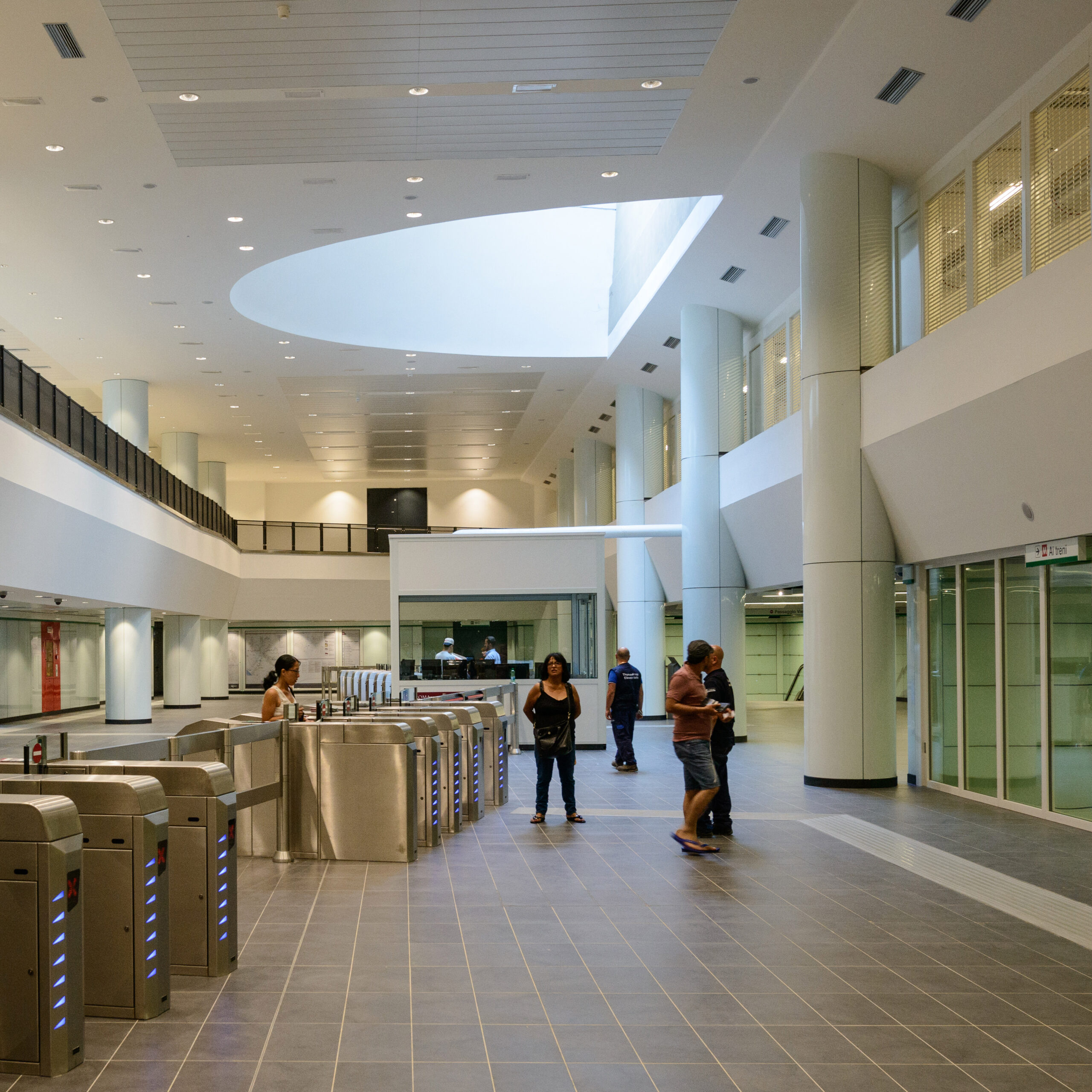
Pigneto
24 Stations completed
The Pigneto Station, constructed near the intersection of Via del Pigneto and Circonvallazione Casilina, will constitute an important interchange node with the soon-to-be-completed FL1 railway line. The area above the station has been completely redeveloped, with the creation of an equipped park and a sports field. The Pigneto Station has been open to the public since June 29, 2015.
Learn more

Lodi
24 Stations completed
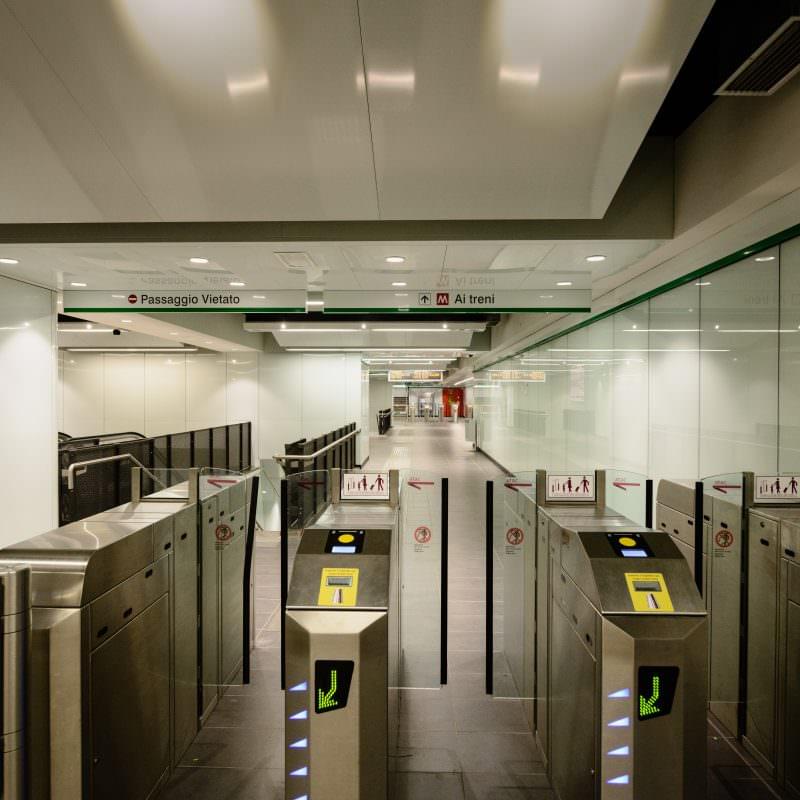
The Lodi Station, the temporary terminus of the line, is situated beneath Via La Spezia (stretch between Via Orvieto and Via Foligno), a very important thoroughfare for the city. To adapt the presence of the subway to the historical and urban context in which it is located, the only elements visible on the surface are the steel and glass structures of the elevators and the station entrances. The Lodi Station has been open to the public since June 29, 2015.


San Giovanni
24 Stations completed
The San Giovanni Station plays a fundamental role in the construction of Line C, especially because it represents the first interchange node with the existing Line A. The project underwent several evolutions following the results of archaeological investigations. The discovery of ancient structures to be preserved, up to a depth of about 18-20 meters from the ground level, led the Special Superintendence for the Archaeological Heritage of Rome to prescribe the impossibility of carrying out ground consolidations from the ground level, favoring open-air excavations with archaeological methods in the backfill soils, up to about 19 meters deep, excluding the realization of mechanized excavations for the construction of line tunnels in the section between San Giovanni Station and Porta Metronia Station.
Learn more
Porta Metronia
24 Stations completed
The station is located midway between the Fori Imperiali Station (interchange Line C/Line B) and the San Giovanni Station (interchange Line C/Line A), specifically about 500 meters south of Piazza San Giovanni in Laterano and 300 meters from the entrances of the hospital of the same name.
Learn more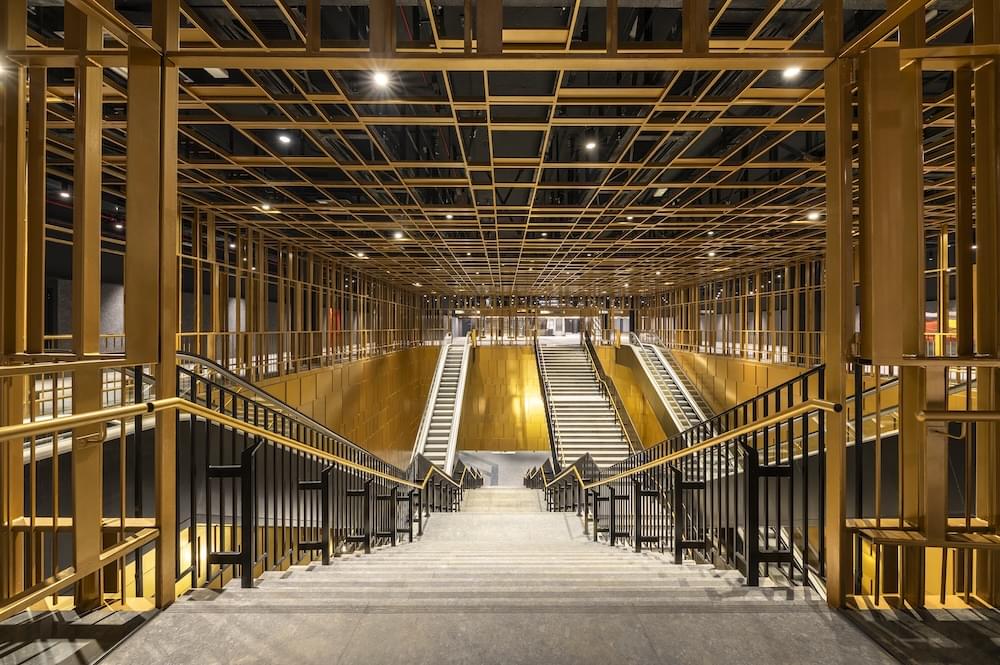
Fori Imperiali/Colosseo
24 Stations completed
The Fori Imperiali Station is situated beneath the street of the same name, in the area between the Colosseum (Flavian Amphitheatre) and the area in front of the Basilica of Maxentius.
Learn more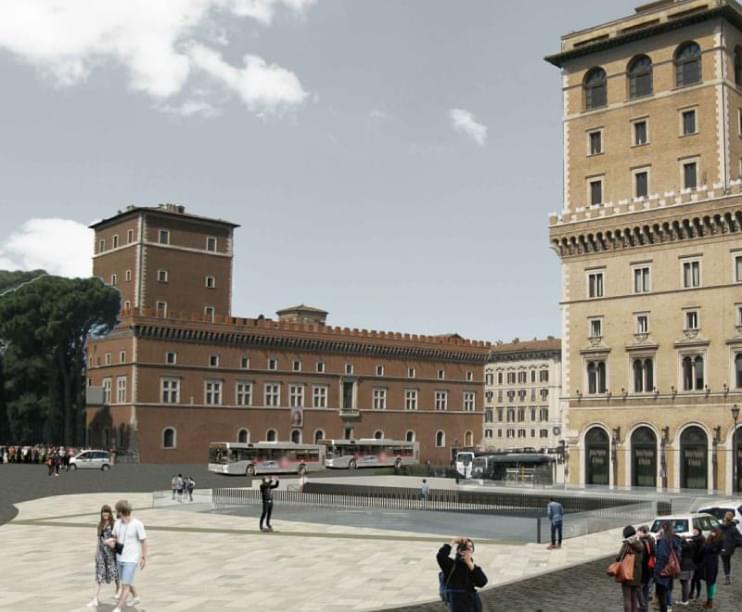


Venezia
Under construction
The Venezia Station is located beneath the square of the same name in a strategic position as it is situated at the junction connecting the Baroque center of Rome and the archaeological area of Via dei Fori Imperiali. One of the two exits is planned to be in front of Palazzo Venezia, near Via del Plebiscito. The second exit is expected to be at Piazza Madonna di Loreto.
Learn more

Chiesa Nuova
Under construction
Chiesa Nuova Station is located under the square of the same name, near the Church of Santa Maria in Vallicella and the adjacent Oratory of the Filippini, a complex of exceptional historical and artistic importance. Chiesa Nuova Station is conceived as a museum station that will integrate mobility flows with the valorization of archaeological finds. A vertical museum will accompany passengers through all the underground levels, restoring to the city both an infrastructural and cultural space.
Learn more
Piazza Pia / Castel S. Angelo
Under construction
The Piazza Pia/Castel Sant'Angelo station is located in the western area of Castel Sant'Angelo, near Largo Giovanni XXIII/Piazza Pia and Lungotevere Vaticano. The Piazza Pia / Castel Sant'Angelo station will be located at a strategic hub between the Baroque center and the Vatican. The project will integrate mobility and archaeological enhancement, with museum spaces accessible even to non-travelers.
Learn more
Ottaviano
Under construction
The Ottaviano station on Line C is located in the Prati neighborhood, along Via Barletta, between Viale delle Milizie and Viale Giulio Cesare, and will represent a strategic hub for urban mobility through its interchange with Line A. The project was designed to handle large passenger flows and integrate into the dense, historic urban context of the area.
Learn more

Mazzini
Under construction
The Mazzini station is nestled within the urban context of the Vittoria neighborhood, along the axis of Via Giuseppe Mazzini, with three entrances designed to effectively serve the flows coming from the main pedestrian routes.
Learn more

Auditorium
In design
The Auditorium station is located in the Flaminio neighborhood, near Piazza Apollodoro and the Palazzetto dello Sport, in an urban context with a strong cultural and sporting vocation. The project is located in a strategic area of the city, strengthening the connection between the transport system and the Auditorium – MAXXI – Olympic Village hub.
Learn more
Farnesina
In design
Farnesina Station is the northwest terminus of Line C, near the Ministry of Foreign Affairs (MAECI) and the Foro Italico complex. It represents a new strategic access hub to the city's institutional and sports areas, integrating with existing surface mobility and parking. The TMB shield introduction shaft is located near the construction site. The station is designed for the construction of the Farnesina/Grottarossa extension (section C2) and the Farnesina/Tor di Quinto branch line (section T1A).
Learn more
